What a Dental Hygienist Does and Why It Matters for a Healthy Smile
*Collaborative Post
Daily oral care is not just about emergency dental visits; it supports long-term oral health, wellbeing, and confidence. Understanding what a dental hygienist does highlights the importance of preventive care and helps individuals and families build practical habits for healthier smiles at all ages. This article outlines the expertise that contributes to strong, healthy teeth and offers actionable guidance for maintaining oral hygiene every day.
Families today often manage busy schedules, and oral health can be overlooked until a problem occurs. However, everyday brushing and cleaning are only part of effective care. A dental hygienist in Weybridge plays an important role in preventing gum issues, reducing the likelihood of tooth decay, and encouraging consistent oral care routines for people of all ages. Their skills make dental hygiene approachable and help establish oral health as an ongoing priority rather than a reaction to discomfort or pain.
Understanding the dental hygienist’s focus on prevention
Dental hygienists are trained to provide preventive care by identifying early signs of gum disease, tooth decay, and other oral conditions at routine visits. Their focus on prevention helps individuals avoid discomfort and more complex dental treatments later on, making this service especially valuable for families.
During appointments, hygienists carefully clean the mouth, checking for plaque, tartar, and problem areas that may not be addressed by regular brushing at home. They also provide advice on correct brushing and the best tools for interdental cleaning, so individuals can make small daily adjustments that lead to better long-term oral health.
What to expect during a hygiene appointment
A standard hygiene appointment involves more than just superficial cleaning. It typically begins with your oral health history and may include gentle assessments of gum condition. The hygienist uses specialised tools to remove plaque and tartar that routine brushing does not reach.
Polishing may be included to remove surface stains and provide a smoother feel to teeth. Throughout your appointment, the hygienist gives personalised advice tailored to your comfort and daily routines. In some dental practices, your appointment can also involve a consultation with a dentist on Harley Street to ensure any additional concerns receive appropriate attention and care.
Building healthy habits for the whole family
While tooth care is often a focus, gum health deserves equal attention as gums provide vital support for teeth and influence comfort and appearance. A dental hygienist spends time educating families about the signs of gum inflammation or sensitivity and the steps needed to improve daily care routines.
They assist in building routines for children using engaging brushing methods and offer practical advice to teenagers, especially those with orthodontic appliances such as braces or aligners. Adults can also receive specific feedback, allowing oral care routines to be updated as needs evolve. Guidance from a dental hygienist helps reinforce consistent practices across all stages of life and ensures every family member benefits from preventive care.
Tackling common oral health concerns and lifestyle choices
Many everyday dental issues respond well to insight from a dental hygienist. For example, bleeding gums signal underlying inflammation and warrant attention rather than being ignored. Staining, persistent bad breath, and tooth sensitivity may also indicate that adjustments to home care routines would be beneficial.
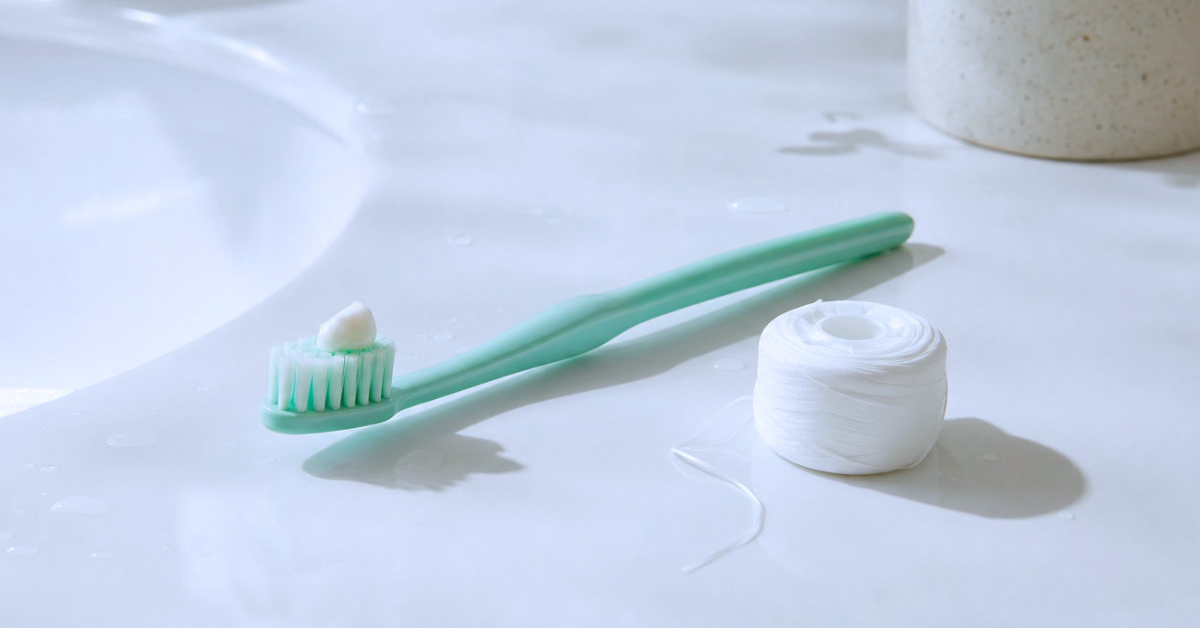
Dental hygienists typically recommend gentle brushing with a soft-bristled toothbrush, consistent use of interdental cleaners, and incorporating mouthwash if appropriate. They can additionally advise on eco-friendly oral hygiene products, supporting families who wish to reduce waste while maintaining effective care. Suggestions may include investing in a durable toothbrush or selecting products with fewer environmental impacts, promoting both health and sustainability.
Myths, facts, and practical advice for real life
Misconceptions about oral hygiene can hinder healthy routines. For instance, bleeding gums during brushing are a warning sign of gum disease, not a normal occurrence. Using excessive force when brushing can harm both enamel and gums, rather than offering better cleaning.
Professional cleaning is sometimes mistaken for a cosmetic service, but the removal of hard deposits and stains is vital for reducing the risk of infection and supporting healthy gums. Dental hygienists provide clear explanations about the real benefits of consistent, preventive oral care, giving families confidence and supporting habits that lead to healthier, more comfortable smiles over time.
With regular routines and informed guidance, individuals and families can maintain oral health and enjoy the benefits of preventive care for years ahead.
*This is a collaborative post. For further information please refer to my disclosure page.
Related Posts:
How I’m Rethinking Skincare as Part of My Mental Health Routine

*Collaborative Post written by Maddie I used to see skincare as a chore. One of those things I did because Read more
Want a Marble Vanity Top in the Bathroom? Consider These Factors First

A customized marble vanity top in the bathroom can bring a touch of luxury and sophistication to any home. From Read more
A Closer Look at the Supermarket Supply Chain

We tend to think of food checks as something that happens with a clipboard and a watchful eye, and some Read more
Contemporary Living Room Furniture: Style Tips & Tricks

Modern living room designs nowadays work well for a variety of personalities. You may discover a contemporary method to arrange Read more