
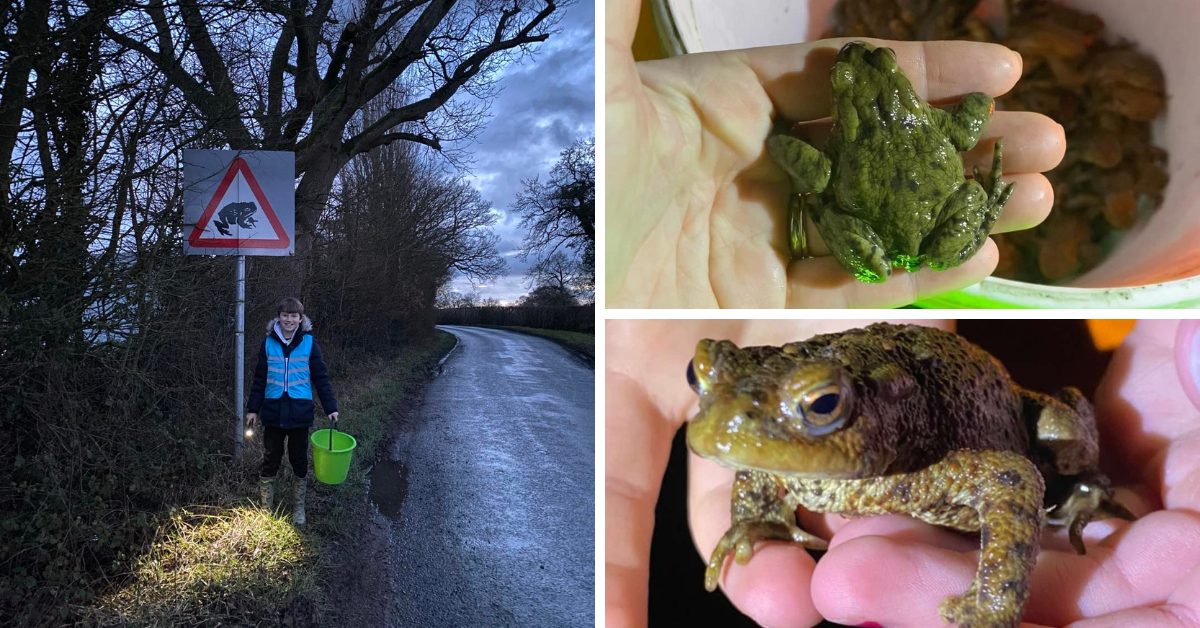
What is Toad Patrol and Why Should You Join?
As you’ll know, me and my family are passionate about conservation and one way we help out locally is by volunteering at a Toad Patrol. I know it sounds funny at first, but honestly, this is such an important organisation and it’s something we absolutely love joining in with each year. Because of this, I thought I would give you a little more information on what it is and what it entails so that perhaps, by the end of this blog, you may be inspired to help out too…
What Exactly is Toad Patrol?
Toad Patrol has been set up to help the UK’s common toad during their annual migration. Every year, between roughly early February and March/April, toads, frogs and newts begin their journey to their breeding ponds. This is led by their strong natural instincts which tell them to go to where they were spawned themselves and they will do this every single year, making the journey back later on in summer. The problem with this is the fact that over time, humans may have built new homes and buildings in the area or nearby, new obstacles may now stand in their way and as we all know, traffic has significantly increased. Our amphibian friends aren’t aware of these factors, and due to this, thousands are killed by cars every year during their migration, but thanks to the Toads on Roads project run by Froglife, volunteers like us step up and step in to help them get across safely.
We’re part of a group of dedicated volunteers in a particularly busy local area and we go out at around dusk for a couple of hours each night during this migratory period. When we spot the toads (and also frogs and newts) as they attempt to cross, we carefully scoop them up, record their numbers and carry them to safety.
Why Should You Get Involved?
Firstly, toads really need our help. Due to habitat loss, pollution and road traffic, their numbers have been declining for years. Froglife estimates that 20 tonnes of toads are killed annually on UK roads! Without toad patrol volunteers stepping in, that number would only increase.
But there’s also a personal reason for doing it; it’s honestly really rewarding. Being able to take some time to do our bit for wildlife, to make a difference and have a positive impact on this species’ survival rate really does make you feel very proud. Oh, and it’s also good fun. You get to meet other like-minded people in your local area who are just as passionate about wildlife as you are.
What’s It Like Being on Patrol?
Road Safety
Our patrol takes place on a lane that has become increasingly busier over the years, so we have to be really vigilant during our patrolling time there. We put up signs warning drivers that there are pedestrians on the road, we wear hi-vis jackets, and we take brightly coloured/white buckets and good torches in order to be clearly seen. Volunteers space themselves out as they walk up and down the road in order to spot and rescue more toads and to also help slow traffic (once they realise there are more people, most drivers tend to become more considerate – there are always a few exceptions though). You definitely need to be cautious, sometimes it feels like a balancing act between keeping an eye on the road and scanning for toads but after a couple of patrols, you get into a rhythm and your confidence builds as well as your nighttime eyesight!
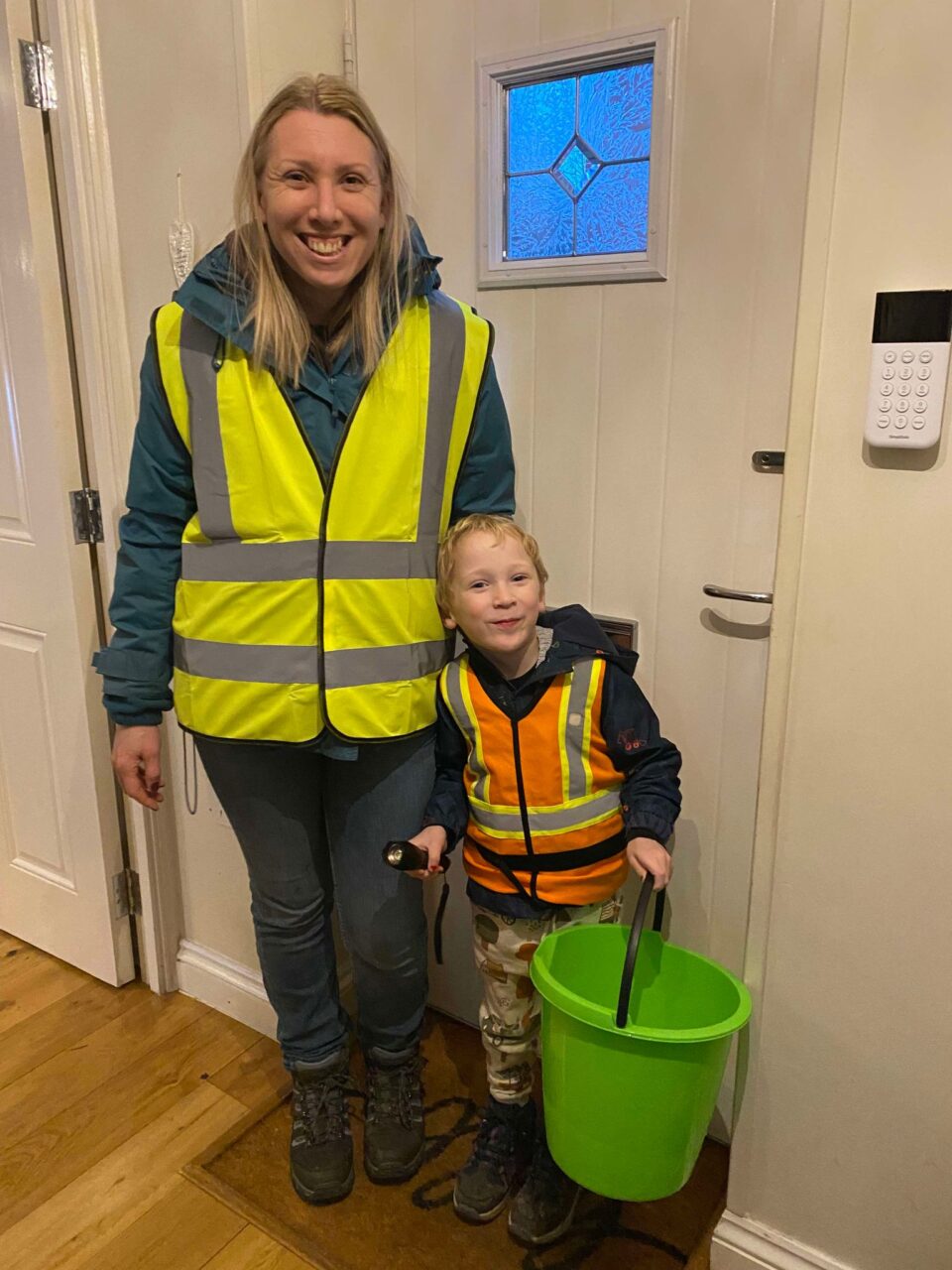
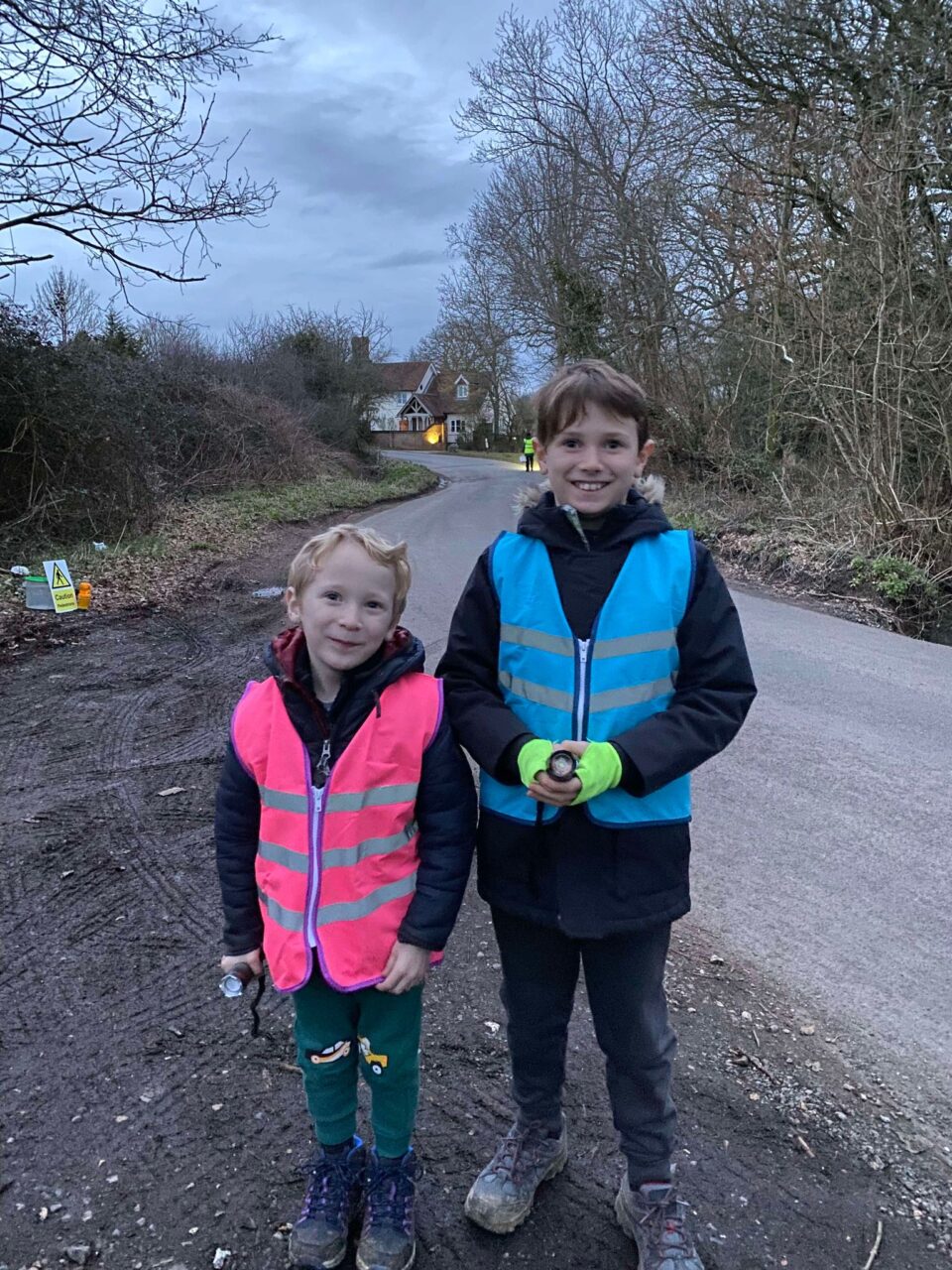
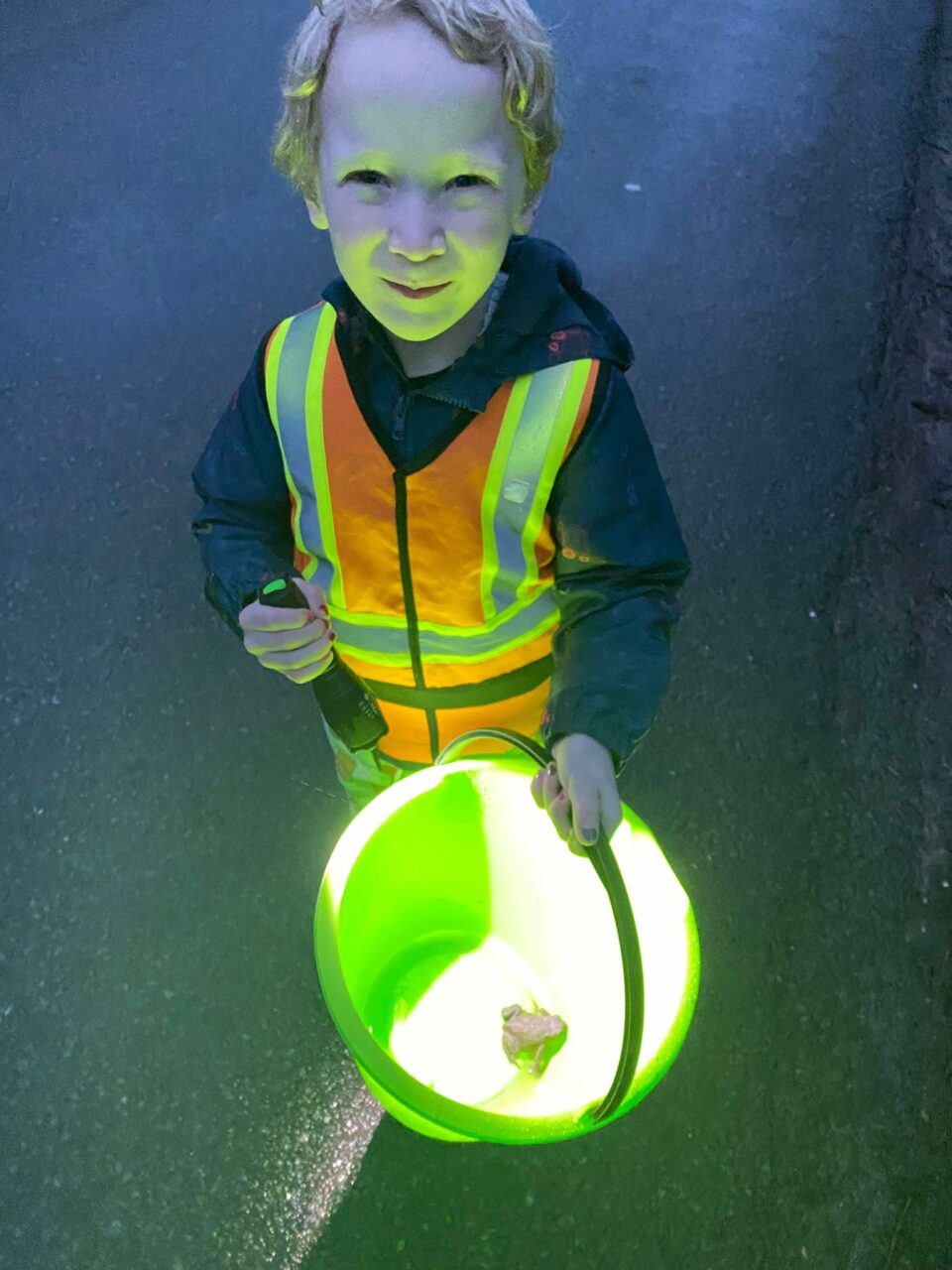
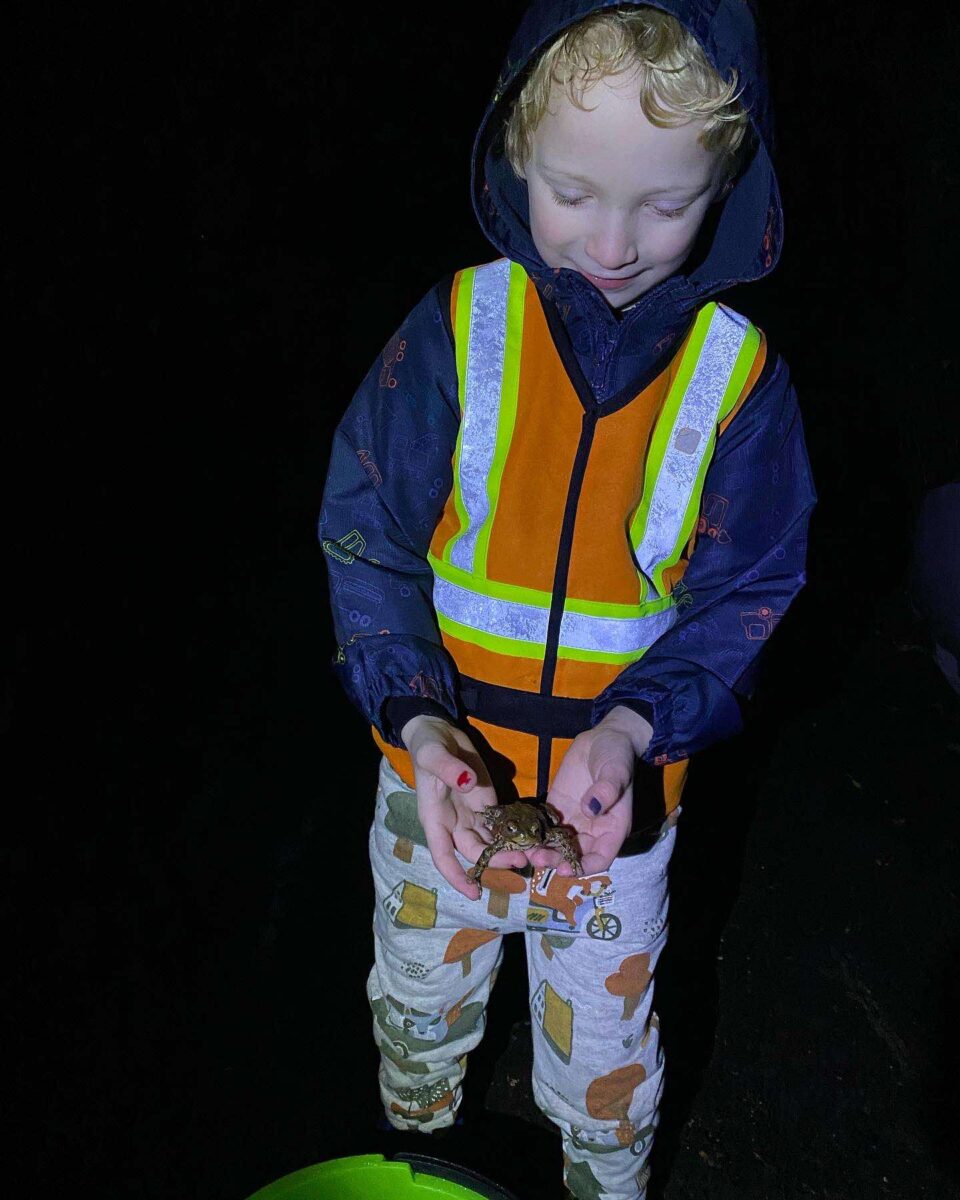
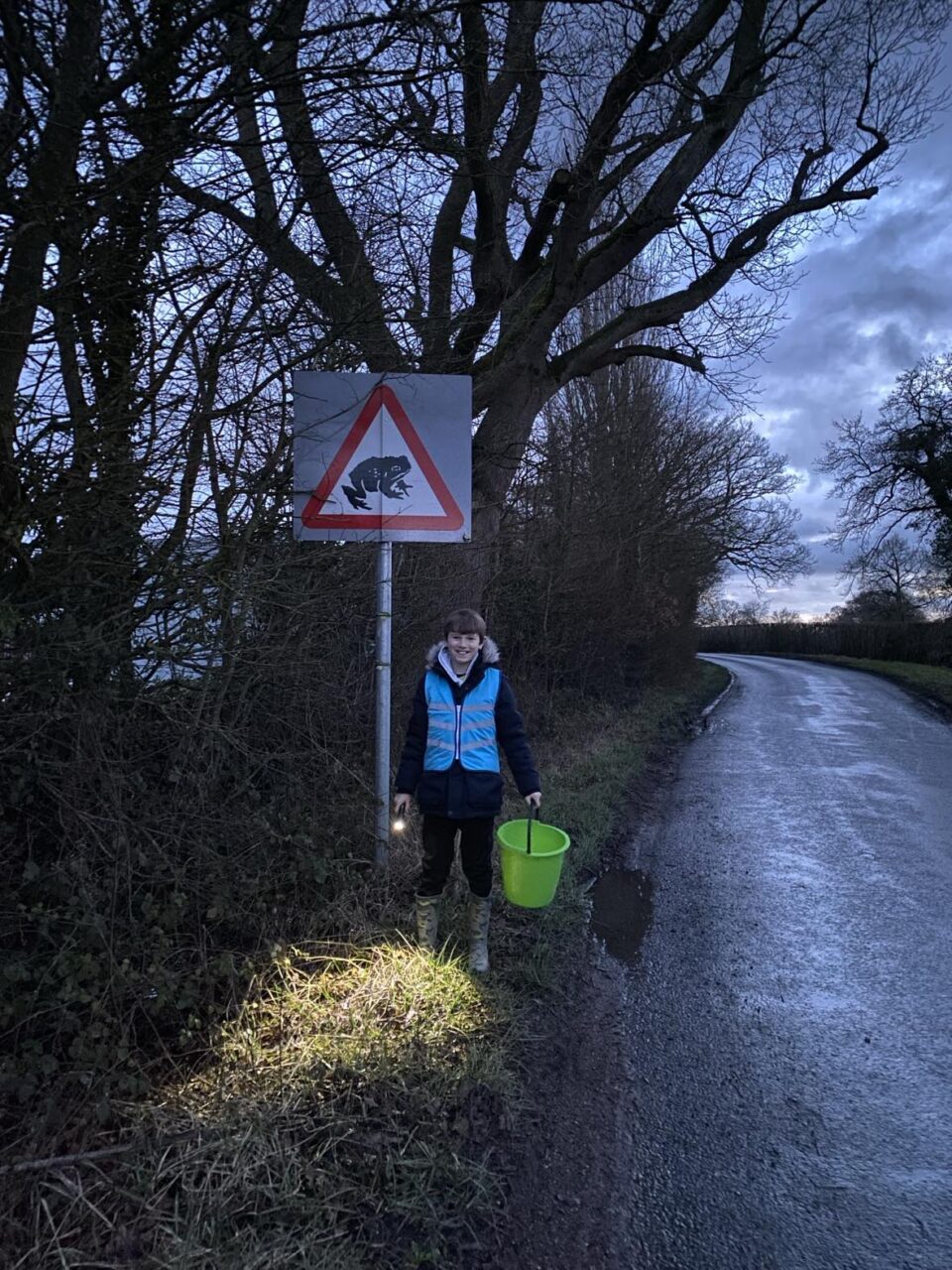
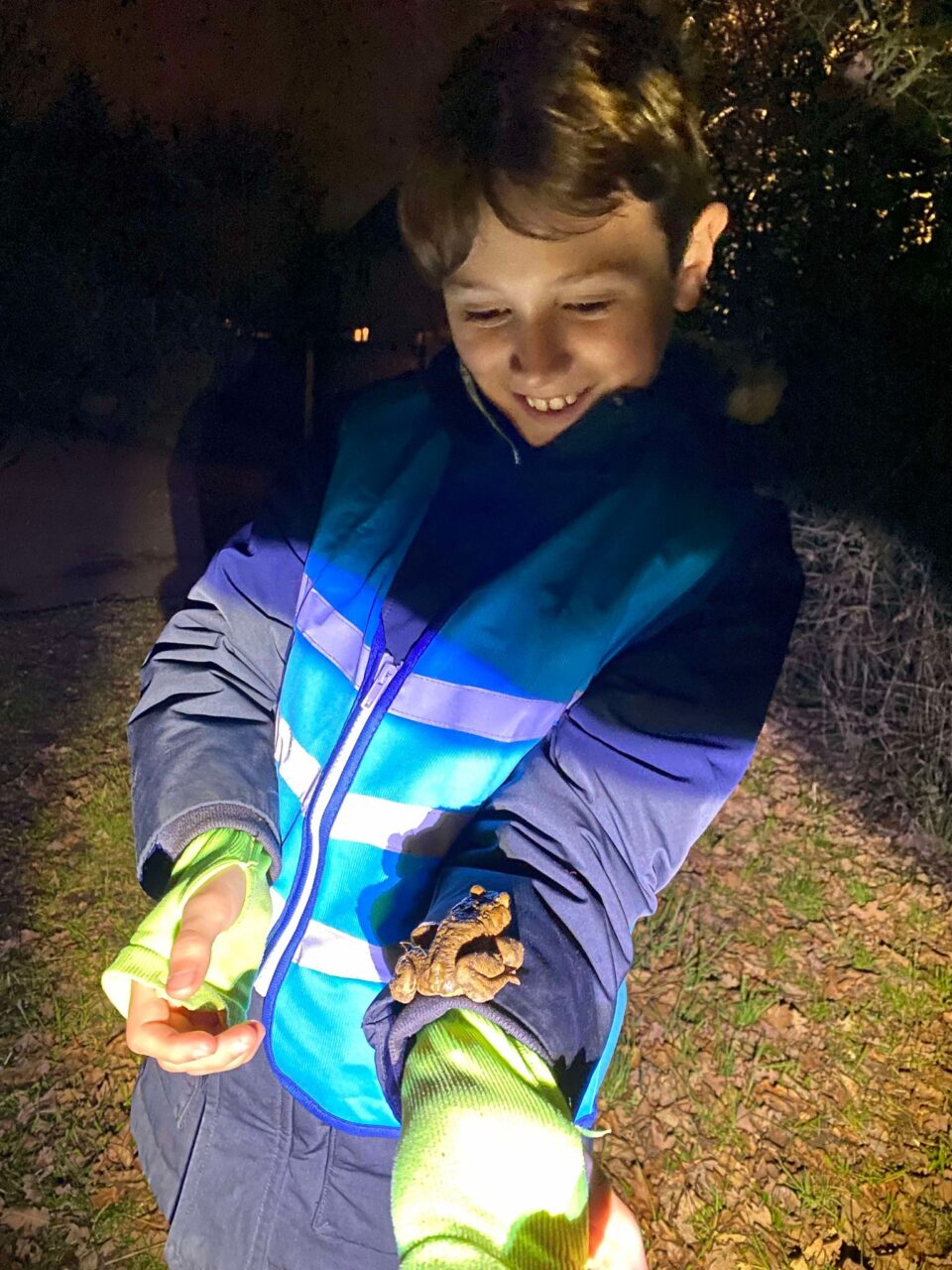
As mentioned, I have taken the children along with me but unfortunately, some Toad Patrols now don’t allow them due to safety reasons and this year. Our patrol is now a child-free one as the lane has become a rat run and the charity cannot risk any accidents. There ARE some patrols that are much safer so if you want to become a patroller, do check with Froglife and the patrol leader to see if children are permitted.
Spotting Toads
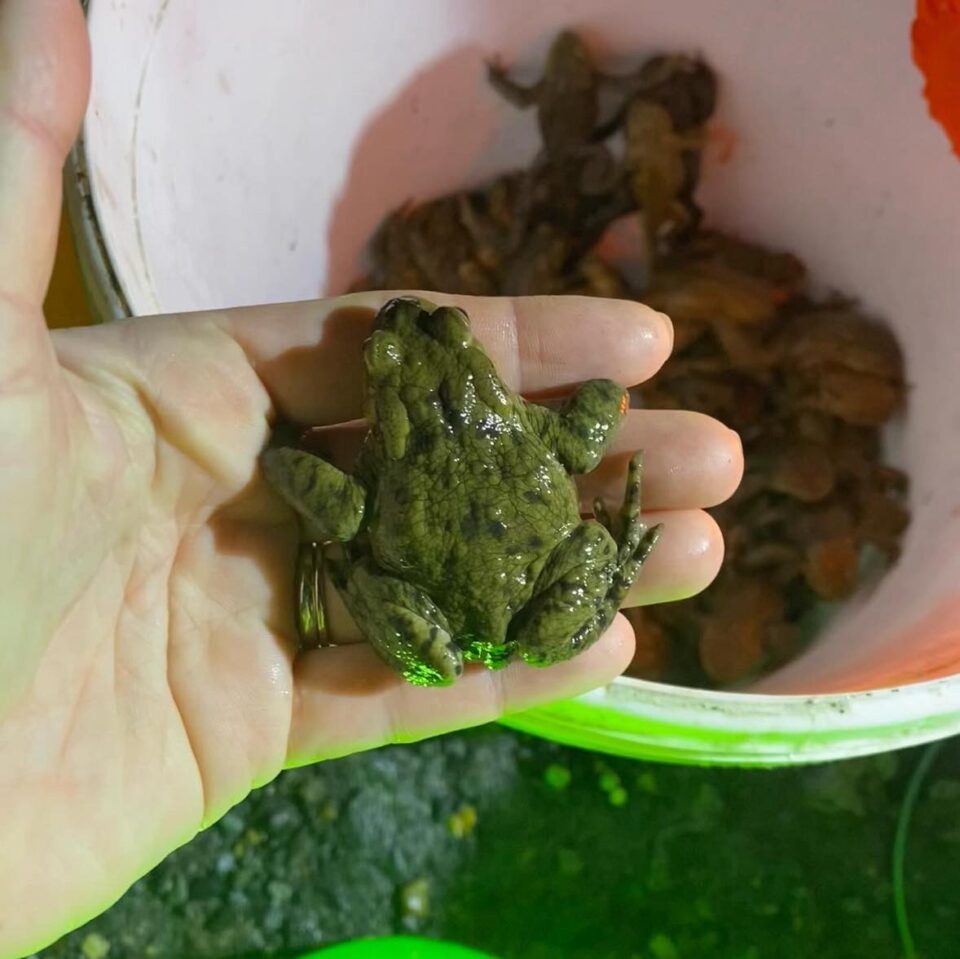
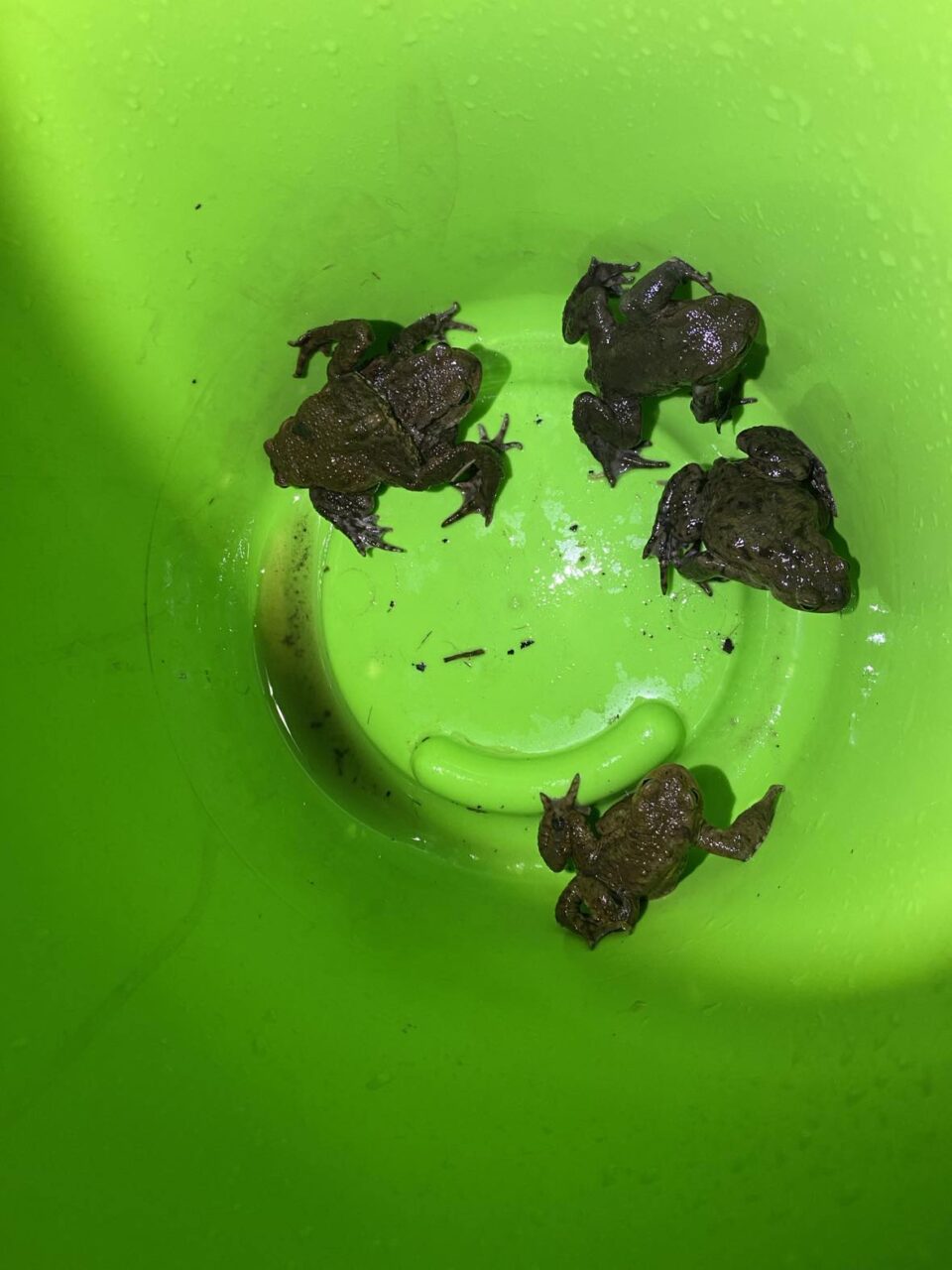
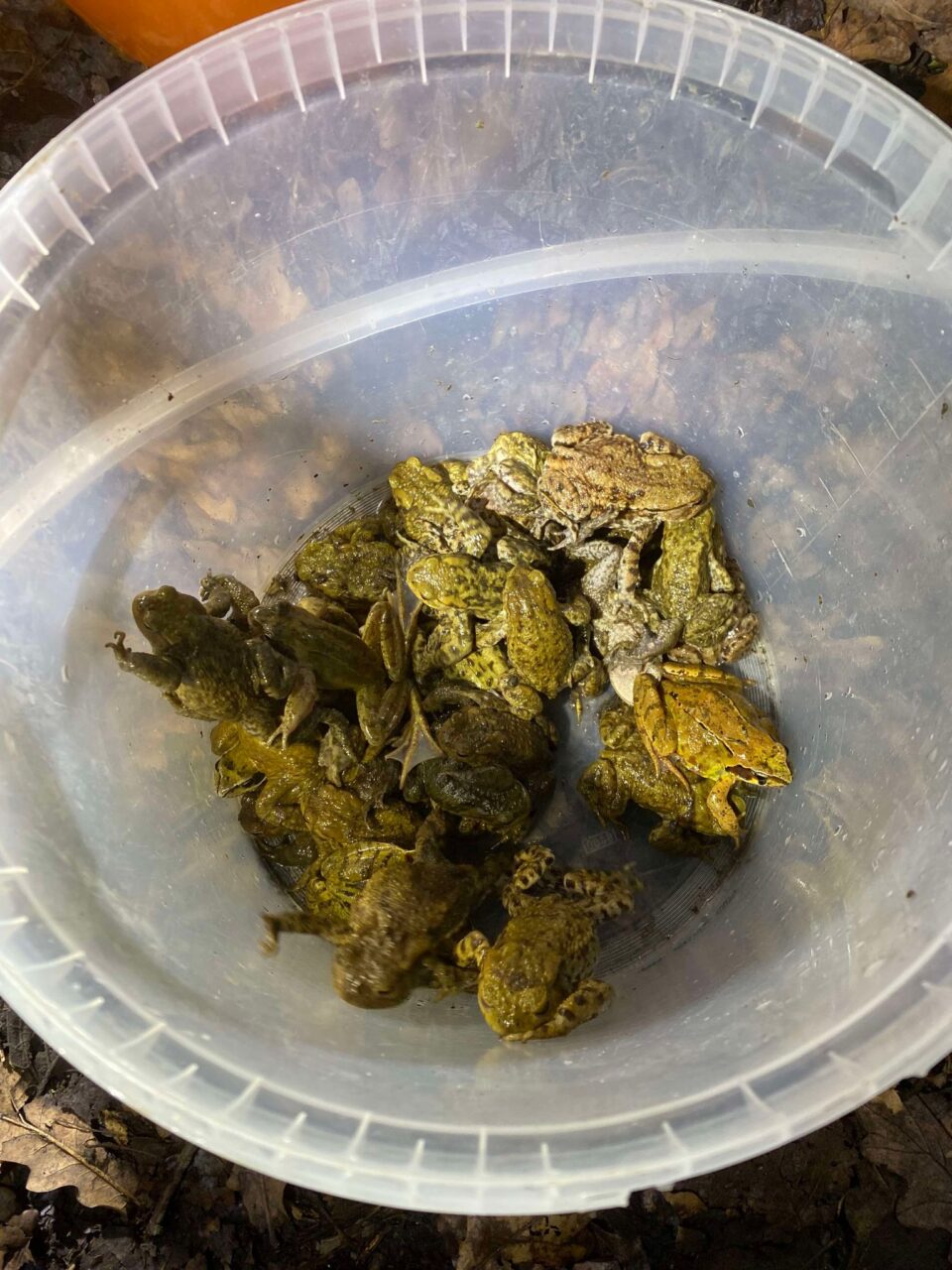
Most of the time, the toads are fairly easy to spot, especially when you have a powerful torch, the trickier bit is spotting them in time. Even though toads walk (they don’t jump) they seem to appear just as you’ve wandered by which is why it’s essential to have plenty of volunteers keeping their eyes peeled. When we see one, we carefully pick it up and pop it into the bucket. The same goes for frogs and newts, they all come under our rescue umbrella.
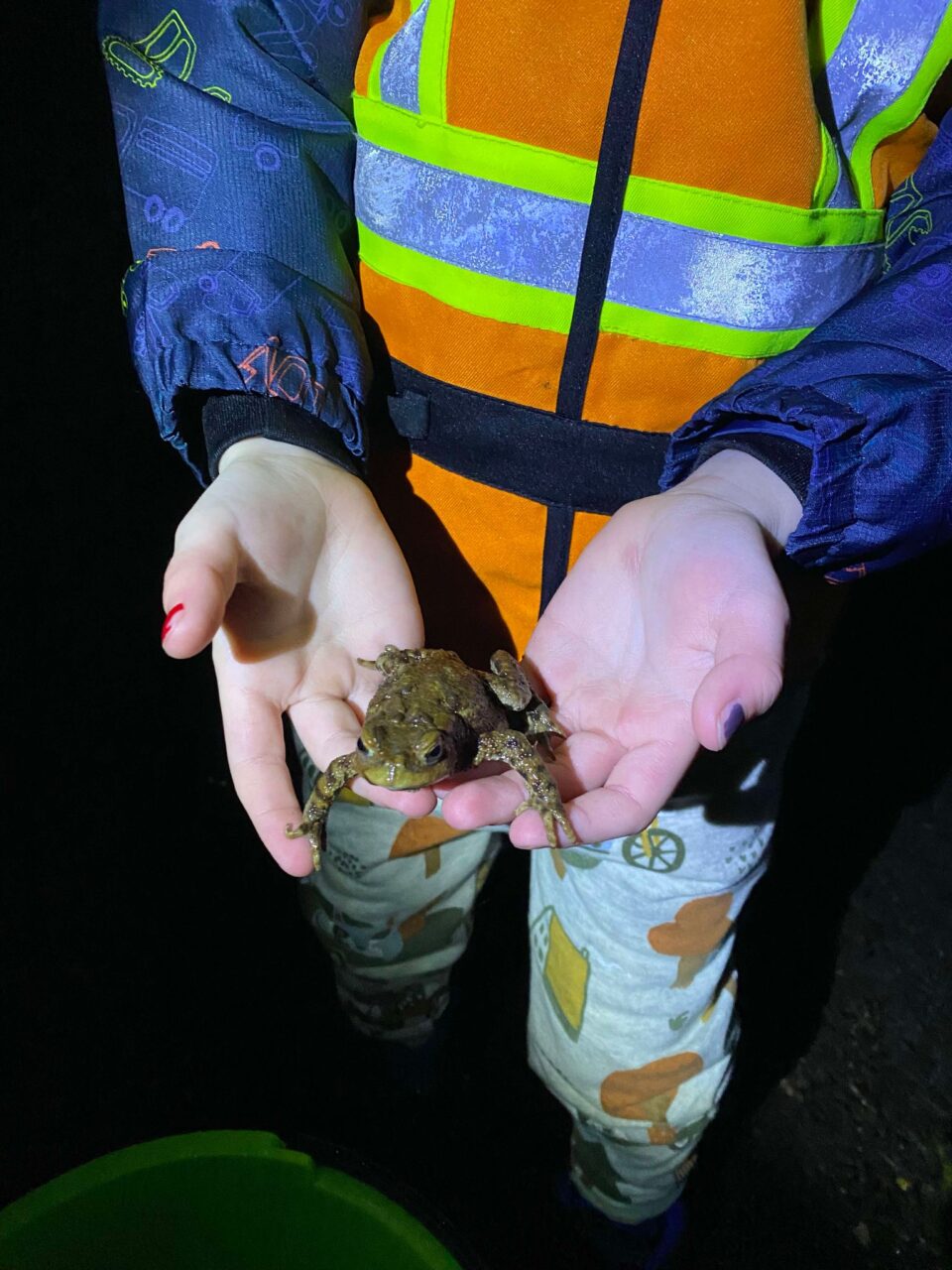
Once their movement begins to quieten down on the road, all amphibians are handed over to the toad patrol leader who will collate their numbers for research and conservation reasons, and this is fed back to Froglife. The toads can then be safely released at their breeding ground.
How Can You Get Involved?
If this sounds like something you’d like to try (and I highly recommend it), it’s really easy to get involved. Here’s how:
- Check the Toad Map: Froglife has a handy map on their website called the Toad Patrol Map that shows all the registered patrol sites across the UK. Have a look to see if there’s one near you.
- Register as a Volunteer: Once you’ve found a local patrol, you can sign up as a volunteer through the Froglife website. You’ll be put in touch with the local coordinator who will be able to give you all the information you need.
- Get Kitted Out: Having the right gear is important. You’ll need hi-vis jackets, torches, and a bucket to transport the toads. Sturdy shoes and warm clothing are highly recommended as you’ll be out in the evenings when it can get chilly. A waterproof jacket is essential as those toads love to cross in wetter weather.
- Hit the Road!: Once you’ve joined your local patrol, you’ll probably be added to a WhatsApp or Facebook group so you can be kept in the loop and you may be assigned to specific evenings during the migration season. It’s a flexible commitment, you definitely don’t have to go every night, but the more people on patrol, the better the chances of helping as many toads as possible.
So if you’ve got a bit of free time, love being outdoors and want to make a real difference for wildlife, I would highly recommend giving Toad Patrol a go. Trust me, once you’ve done it, you’ll want to make it an annual tradition.

Pin for later:
Related Posts:
20 Of The Best Wildlife and Environmental Documentaries For Kids

Teaching our children about the environment and wildlife in an interesting yet child-friendly way is really important and luckily there Read more
7 Ways To Attract Wildlife To Your Garden

*Affiliate Links Having more wildlife in your garden isn't just nice to see but is also great for the environment Read more
Preparing For and Going To My Very First Protest!

Finally, I finally got to go to my very first protest. After lockdowns, covid risks, train strikes, bad timings, and Read more
Unique Ways To Explore Wildlife With Kids
*Collaborative Post The natural world is a truly amazing thing. Even as an adult, there are things in the world Read more