
What To Look For When Choosing the Right Preschool
*Collaborative Post
Picking a preschool feels like a bigger deal than it probably should. But honestly, it kind of is. This is the first time your child is stepping into a space that isn’t home, and you want to get it right.
The tricky part is that every school looks good on a brochure. So instead of going by what sounds nice, here’s what actually matters when you’re standing in that classroom trying to make up your mind.
Are the Teachers Actually Qualified?
This is the one most parents don’t ask about directly, but they should. Find out whether the teachers hold degrees in early childhood education or are actively working toward one. It’s not about being picky. It’s about knowing that the person with your three-year-old all day understands how young children develop, not just how to keep them busy.
If you’re looking for a preschool in Frisco, look for one that holds national accreditation, like NAEYC. That kind of recognition means the program has been evaluated against real standards for curriculum, safety, and teacher qualifications. It’s a good baseline filter before you even visit.
How Many Kids Are in the Class?
Smaller is better, full stop. When a classroom has 25 kids and two teachers, your child is one of many. When it has closer to 15 or 16, teachers can actually notice things. They can see that your kid is having a hard morning, or that they’ve suddenly figured out how to count to 20 and are ready for what’s next.
That level of attention isn’t a bonus feature. It’s what makes the difference between a child who thrives and one who just gets through the day.
Does the Curriculum Make Sense for Their Age?
A good preschool isn’t trying to turn four-year-olds into kindergartners ahead of schedule. It’s building the foundation so that kindergarten feels natural when it comes.
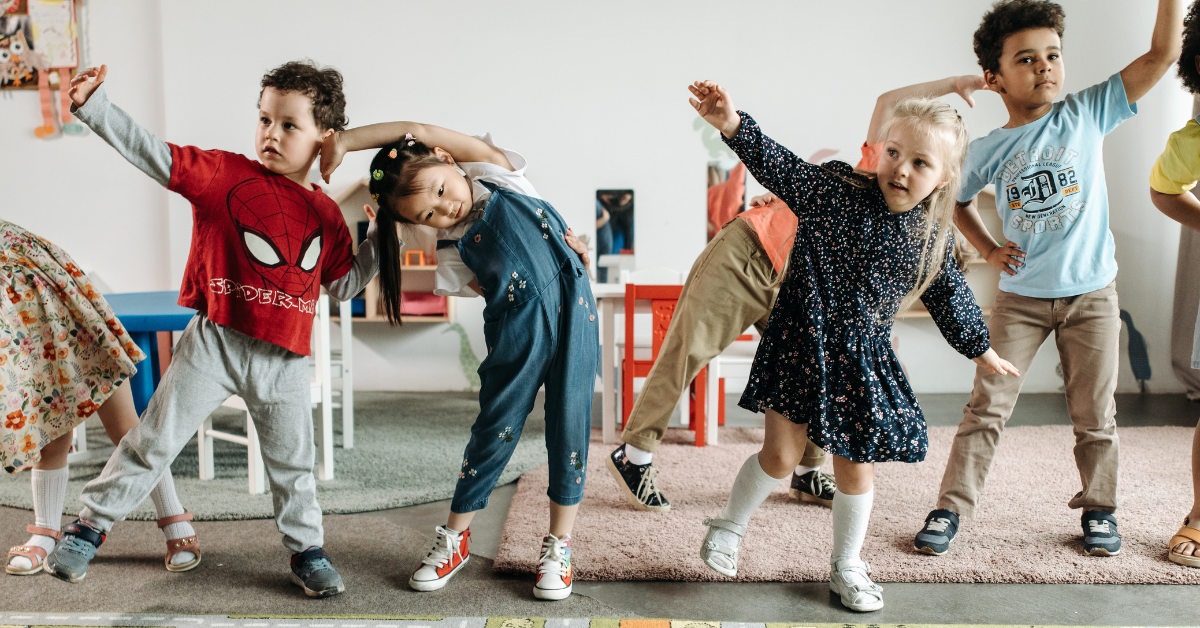
Look for programs where learning happens through play, hands-on activities, music, and movement. Things like early phonics, beginning math, and simple science exploration are great, but they should feel like fun, not homework. If the school has age-grouped classes, even better. A two-year-old and a four-year-old are in completely different developmental places, and their days should reflect that.
What Does Outside Time Look Like?
Don’t skip this one. Walk out to the playground or outdoor space and take a good look. Children learn a lot outside, more than most people give credit for. A garden, a building area, space to run and create, these things build curiosity, coordination, and confidence in ways a worksheet never will.
A school that has invested in its outdoor environment is usually one that has thought carefully about how children actually learn.
Visit, and Pay Attention to the Feel of the Place
You can read reviews all day, but nothing replaces trying the place in person. When you walk in, notice whether the kids seem happy and engaged. Watch how the teachers talk to them. Is there warmth there? Patience? Do the teachers get down to the children’s level, or are they mostly managing from a distance?
Your gut will pick up on things your brain hasn’t processed yet. Trust it.
Ask How They Communicate With Parents
Before you commit, find out what day-to-day communication looks like. Do they send updates? Is there a handbook? Can you reach someone easily if something comes up? A school that keeps parents informed is one that treats families as partners, and that matters more than most people expect.
The Bottom Line
You’re not looking for perfection. You’re looking for a place where your child feels safe, is genuinely cared for, and is being set up well for what comes next.
Good accreditation, qualified teachers, small class sizes, age-right curriculum, real outdoor time, and honest communication with families. If a school checks those boxes and your visit feels right, you’re probably in good hands.
Take the tour. Ask the questions. And don’t let a nice lobby decide for you.
And if they offer an open house or a trial visit, take them up on it. Seeing how your child responds to the space tells you more than any checklist ever could.
*This is a collaborative post. For further information please refer to my disclosure page.
Related Posts:
Seven Ways to Handle Baby Waking Up Early

Is your baby waking up through the night and far too early in the morning and refusing to go back Read more
7 Tips for Easier Travel with Children

Travelling with kids has long been thought of as somewhat of a waste of time and resources. After all, kids Read more
How Positive Parenting Can Enrich Children’s Lives

*This post was developed via a partnership with BetterHelp When raising a child, every parent approaches it a bit differently. Read more
Nine Tips to Ensure a Healthy and Promising Lifestyle for the Kids

Raising children who lead healthy, promising lives is every parent's dream. It is critical to lay a strong foundation of Read more