Ways That Organic Cotton Is the Kinder Choice for the Planet
*Collaborative Post
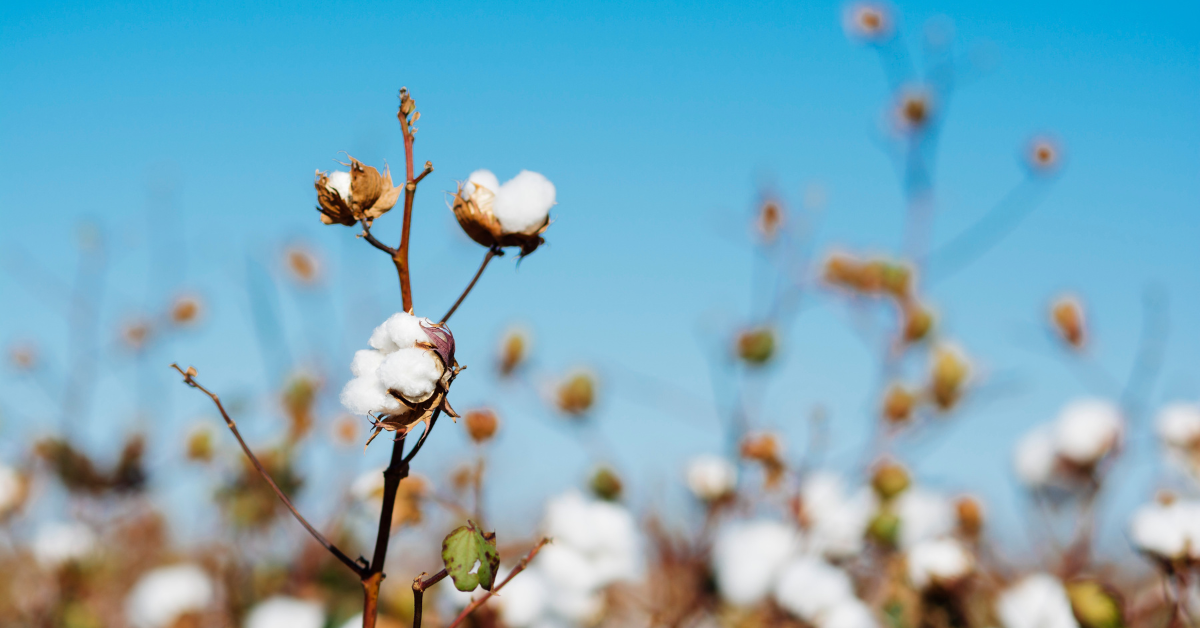
From keeping the soil happy and healthy to allowing you to buy fewer new clothes each year, swapping from regular cotton to organic cotton offers many benefits, including being better for the environment and the local communities who help to farm it.
Let’s dive into a handful of ways organic cotton is kinder on the planet and an excellent choice for environment-aware shoppers.
Zero Harsh Chemicals
During the process of growing organic cotton, the usual chemicals and pesticides that are rife within the process of growing regular cotton are forbidden. This makes it a relatively clean technique in comparison. Regular cotton is known as the “dirtiest crop” due to the harmful chemicals and pesticides that release nitrous oxide (much more damaging than carbon dioxide) into the atmosphere. These chemicals also stay in the soil and contaminate local water sources easily. This harms plants, wildlife, and communities surrounding the site and can remain in the water for years.
GOTS-certified organic cotton, the Global Organic Textile Standard, guarantees that the organic cotton you buy upholds the zero-chemical promise, which makes it a far kinder choice. This can be very important for babies, who often have extra sensitive skin, making organic cotton baby clothes a great use of this chemical-free and breathable fabric.
It’s Made Using Less Water
Did you know that 91% less water is used when making organic cotton than regular cotton? This giant difference in water use is largely down to the soil quality of organic cotton farms. When the earth used for farming is healthy, it will absorb water efficiently and be more weather-hardy, allowing rainwater to help with the natural growth of the cotton. All these elements enable organic cotton to thrive using less water, while regular cotton has soil stuffed with chemicals and pesticides, which blocks water from being absorbed. This leads to the “dirty” water getting into local waterways.
… and Less Energy
Because organic cotton is grown using more natural techniques, it also uses a lot less energy to make. This is mainly due to a lowering of carbon emissions. For example, compared to growing organic cotton, there is no need to spray the crops with pesticides, there are no fertilisers to produce for it, and, because organic cotton is carefully hand-picked, fuel is not needed for harvesting tractors.
More Durable
Because organic cotton is hand-picked, its fibres are longer and more robust. This makes the organic cotton fabric a more durable alternative when compared to regular cotton. This means that eco-conscious shoppers will get more wear out of them, allowing them to buy fewer clothes each year.
We currently have enough fabric and clothes for the next six generations to wear comfortably, so planning when and what sort of new clothes to buy makes a massive difference to the environment.
*This is a collaborative post. For further information please refer to my disclosure page.
Pin for later:

Related Posts:
What To Look For In A Sustainable Flooring Option

When it comes to looking for a suitable flooring option, for many people, it goes far beyond the color scheme Read more
Review | Leaf and Root Luxury Eco-Friendly Cosmetics
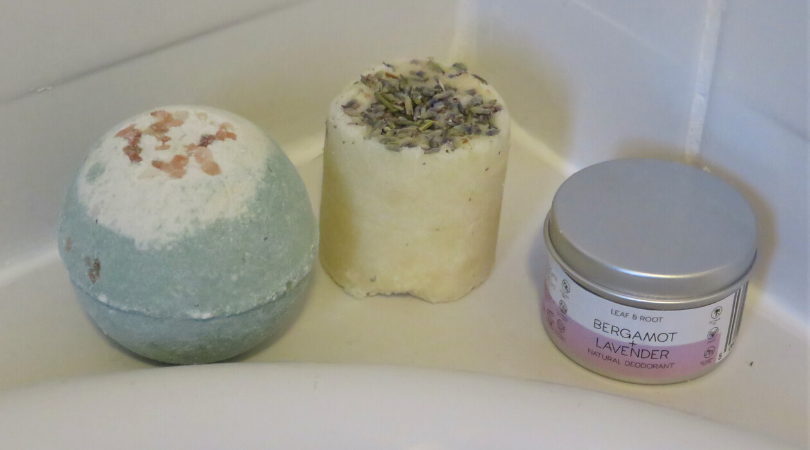
*Gifted Products Being more eco-friendly doesn't stop with ditching those plastic bags or using natural cleaners, for me it is Read more
11 Ways To Be More Eco-Friendly As A New Parent

When I became a parent the first time around (almost 7 years ago now!) the products I was told about Read more
Sustainable Home Decor: Stylish Choices for Eco-Friendly Flower Power

Flowers have always been highly valued for their natural ability to bring life to any environment, creating a peaceful and Read more