

Best City-to-City Train Journeys to Experience Across Asia
*Collaborative Post
Travelling across Asia by train reveals a side of the continent that can be missed when flying between major cities. Beyond the busy stations and gleaming high-speed services, there are rice fields, coastal stretches, mountain scenery and small communities passing beyond the window. Each journey also brings a different experience, from Japan’s famously punctual bullet trains to China’s vast high-speed network and South Korea’s efficient connections between its largest cities.
For travellers who enjoy seeing how places change along the way, rail journeys can become highlights in their own right. Choosing a few well-connected cities allows you to combine famous attractions with a more relaxed appreciation of the landscapes and cultures in between.
1. Japan: From Tokyo’s Neon Streets to Osaka’s Food Scene
Japan’s Shinkansen is an obvious starting point for anyone planning a railway adventure across Asia. The high-speed network links major destinations with impressive efficiency, making it possible to experience several distinct cities without spending entire days in transit.
A journey between Tokyo and Osaka captures two contrasting sides of Japanese urban life. Tokyo surrounds visitors with enormous railway stations, modern architecture, lively shopping districts and neighbourhoods that each have their own personality. Osaka, meanwhile, has a reputation for its food culture, with busy markets, informal restaurants and neon-lit streets around Dotonbori.
Kyoto makes a rewarding stop along the way. Its temples, traditional wooden houses and carefully maintained gardens offer a slower pace after Tokyo’s crowded crossings and towering buildings. Travellers can break the journey here to explore historic districts, visit a tea house or walk through the famous Arashiyama bamboo grove.
The train itself is part of the appeal. Spacious seating, large windows and the opportunity to watch the landscape change make the journey comfortable, even when travelling between busy destinations. On clear days, some services on the Tokyo to Osaka corridor also provide views of Mount Fuji, depending on the direction of travel and conditions.
2. South Korea: Between Busan’s Coast and Seoul’s City Life
South Korea’s KTX high-speed railway makes travelling between its principal cities straightforward. The journey from Busan to Seoul connects a coastal city known for seafood, beaches and lively markets with a capital where historic palaces stand alongside contemporary shopping districts and modern architecture.
Taking the Busan to Seoul train gives travellers time to appreciate the changing scenery while covering a substantial distance across the country. The journey typically takes a little over two hours on the fastest services, although the exact duration depends on the train and stopping pattern.
Busan deserves more than a brief overnight stay. Haeundae Beach attracts visitors looking for a seaside walk, while Jagalchi Fish Market introduces travellers to the city’s close relationship with the sea. The colourful hillside houses of Gamcheon Culture Village provide another perspective, with small galleries, murals and winding lanes to explore.
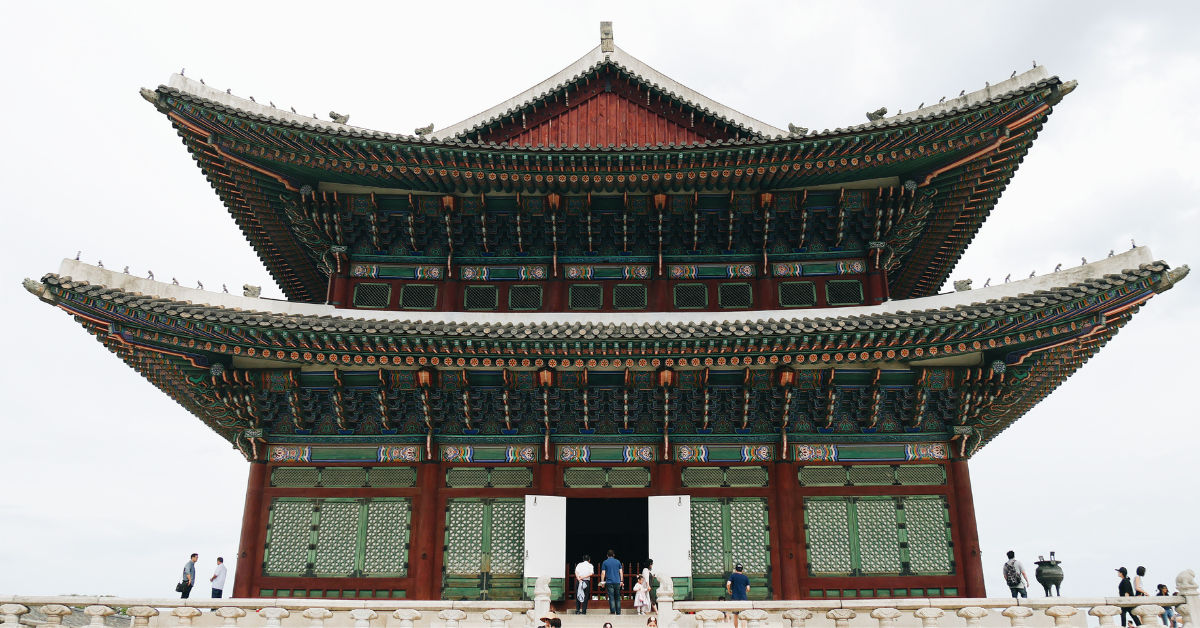
Seoul brings an entirely different atmosphere. Gyeongbokgung Palace introduces visitors to Korea’s royal history, while neighbourhoods such as Hongdae and Insadong offer contrasting experiences, from contemporary cafés and music venues to traditional crafts and tea shops.
The railway connection makes it possible to experience both cities during a single trip without arranging a domestic flight. Book ahead during major Korean holidays, when demand can rise, and check your departure station carefully because services may use different stations in the Seoul metropolitan area.
3. China: The High-Speed Link Between Beijing and Shanghai
China’s extensive high-speed railway network has transformed travel between its major urban centres. Among the most notable routes is the connection between Beijing and Shanghai, two cities that represent very different aspects of the country’s history, culture and contemporary life.
The Beijing to Shanghai train covers approximately 1,318 kilometres, with the fastest services completing the journey in around four and a half hours. Travelling by rail allows visitors to move directly between central transport hubs without the additional airport transfers required for flying.
Beijing is an excellent place to begin for anyone interested in China’s imperial past. The Forbidden City, the Temple of Heaven and the city’s traditional hutong neighbourhoods offer different ways to understand its history. A day trip to a section of the Great Wall can add another memorable experience before heading south.
Shanghai’s atmosphere is markedly different. The Bund presents a striking line of historic buildings facing the modern skyline of Pudong, while former French Concession streets invite slower exploration among plane trees, independent shops and cafés. Food lovers can compare regional Chinese dishes, from delicate dumplings to rich noodle soups.
Chinese railway stations can be enormous, and security screening is standard at major hubs. Allow plenty of time before departure, confirm the correct station and carry the identification used for your booking. Planning these practical details in advance makes the experience far less stressful.
4. Vietnam: A Slower Journey Along the Coast
Not every memorable Asian train journey is about speed. Vietnam’s railway line between Hanoi and Ho Chi Minh City offers a different kind of travel experience, following a long coastal corridor through a country of changing landscapes, historic towns and busy urban centres.
Rather than completing the entire journey in one stretch, consider breaking it into shorter sections. Travelling between Hanoi and Hue introduces visitors to central Vietnam, where imperial heritage and local food traditions provide plenty to explore. Continuing towards Da Nang brings coastal scenery and access to nearby beaches, while Hoi An makes a worthwhile side trip for its lantern-lit streets and historic merchant houses.
The railway experience is slower than Asia’s high-speed networks, but that is part of its character. Rice paddies, settlements and stretches of coastline appear along the route, creating a more gradual transition between destinations.
Timetables and journey durations can vary, so check current services before building the rest of your itinerary around a particular departure. For longer sections, choosing a comfortable seat or sleeper accommodation can make a substantial difference.
5. Taiwan: From Taipei’s Night Markets to the Southern Coast
Taiwan is another appealing destination for travellers who enjoy exploring by rail. High-speed trains connect major cities along the island’s western corridor, making it practical to combine the energy of Taipei with the cultural attractions and warmer atmosphere of the south.
In Taipei, visitors can explore traditional temples, browse the stalls of night markets and admire the city from Taipei 101. The capital’s food scene is a major attraction, with beef noodle soup, scallion pancakes and bubble tea appearing on menus throughout the city.
Travelling south towards Tainan introduces a different pace. Known for its historic temples and long culinary traditions, Tainan rewards visitors who enjoy wandering through older neighbourhoods and sampling local specialities. Kaohsiung offers waterfront attractions, public art and access to the southern coast.
Taiwan’s high-speed services are particularly useful for covering longer distances efficiently, although station locations should be considered when planning sightseeing. Some high-speed stations sit outside the central areas, so local rail or metro connections may be needed to reach your accommodation.
Make the Journey Part of the Adventure
Asia’s railways connect far more than major stations. They link different food traditions, architectural styles, landscapes and ways of life, making each journey an opportunity to understand a destination beyond its best-known attractions.
For a first trip, Japan and South Korea offer convenient ways to experience high-speed rail, while China’s network demonstrates how comfortably vast distances can be covered. Vietnam provides a slower, more scenic alternative, and Taiwan makes it easy to combine city exploration with regional discoveries.
Plan around the experiences that interest you most, leave enough time to enjoy each destination and check schedules before booking. Sometimes the most memorable part of a trip is not the landmark waiting at the next station, but the changing view outside the window along the way.
*This is a collaborative post. For further information please refer to my disclosure page.
Related Posts:
Why a Guided Experience Makes Traveling South Korea Easier
Traveling to South Korea can feel overwhelming, especially if it's your first time visiting this fascinating country. Between navigating the Read more
What an Ethical Approach to Family Travel Should Look Like

Today, more and more people are looking to travel in a way that’s ethical and eco-friendly. But what should that Read more
Ultimate Travel Honeymoon Ideas

*Collaborative Post Your wedding day is the best day of your life, for many, it's the day they have been Read more
Looking for a budget-friendly getaway? Here are some great holidays that won’t break the bank

If you’re looking around for where to spend your next holiday, you don’t have to worry about digging too deeply Read more