LED Eyelash Extensions in Sydney: What to Expect From Application to Aftercare
*Collaborative Post
Introduction
Eyelash extensions have become a popular beauty treatment for people who want more defined lashes without relying on mascara every day. From natural-looking enhancements to fuller, more dramatic styles, extensions can be customised to suit different eye shapes, personal preferences, and lifestyles. As beauty techniques continue to develop, LED eyelash extensions are offering another approach to the application process.
Unlike traditional lash extensions, which use adhesives that cure gradually, LED lash extensions use a specially formulated adhesive that is cured with a professional light during application. This technique is designed to create a secure bond and may offer greater flexibility with post-treatment care, depending on the products used.
For anyone considering LED eyelash extensions in Sydney, understanding how the treatment works, what to expect during an appointment, and how to care for the finished lashes can help make the experience more comfortable and informed.
1. Understand How LED Eyelash Extensions Work
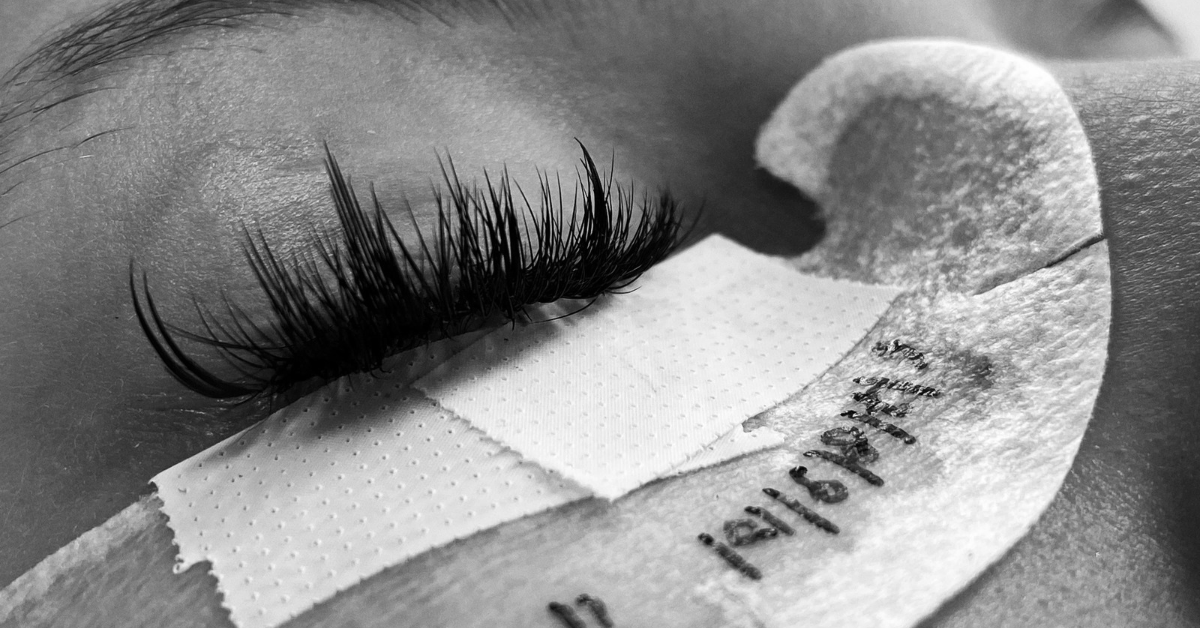
LED eyelash extensions involve attaching individual synthetic extensions to natural lashes using an adhesive designed to cure under a specific light source. The technician applies each extension carefully before using the LED system to cure the adhesive.
This differs from conventional lash application, where the adhesive typically needs time to cure after the treatment. With LED technology, the bonding process takes place during the appointment.
The technique does not necessarily change the appearance of the extensions themselves. Instead, it changes how the adhesive is cured. The final look still depends on the chosen lash style, extension length, curl, thickness, and application technique.
2. Explore the Potential Benefits of LED Lash Technology
LED curing is designed to offer several practical advantages, although individual results can vary.
Faster Adhesive Curing
One of the main differences is that the adhesive is cured during application rather than being left to dry naturally over an extended period. This can simplify the process and reduce the traditional waiting period associated with adhesive curing.
Potentially Improved Retention
A properly cured adhesive bond may help extensions remain securely attached to natural lashes. However, retention is influenced by several factors, including natural lash growth, skin oils, sleeping habits, application quality, and aftercare.
LED technology does not guarantee longer-lasting results for every client.
Greater Flexibility With Aftercare
Depending on the adhesive system, clients may be able to wet their lashes sooner after treatment than they would with conventional extensions. It is still important to follow the specific instructions provided by the lash technician.
3. Choose a Lash Style That Suits Your Features
LED curing is an application method rather than a particular lash style. This means the technique may be compatible with different looks, depending on the salon’s services and the products being used.
Consider these common options before your appointment:
- Classic lashes: A more natural appearance that adds definition without excessive fullness.
- Hybrid lashes: A combination of classic and volume techniques for a textured finish.
- Volume lashes: Multiple fine extensions are applied in carefully designed fans to create a fuller appearance.
- Wispy lashes: A textured style featuring varied lengths for a more distinctive finish.
Your natural lash strength and density should also influence your choice. Extensions that are too long or heavy for your natural lashes may cause discomfort or contribute to lash damage over time.
A consultation can help determine which style is appropriate for your eye shape, natural lashes, and everyday routine.
4. Know What Happens During an LED Lash Appointment
Understanding the treatment process can make your first appointment feel less unfamiliar.
Consultation and Lash Assessment
The technician discusses your preferred look, checks the condition of your natural lashes, and considers any sensitivities or previous reactions to lash adhesives.
This is a good time to mention eye conditions, allergies, or concerns about previous lash treatments.
Lash Mapping
Lash mapping involves planning the placement and length of extensions across the lash line. The aim is to create a balanced result that complements your eye shape while considering the condition of your natural lashes.
Extension Application and LED Curing
The technician isolates individual natural lashes, attaches the extensions with a compatible adhesive, and uses the LED system according to the manufacturer’s instructions.
Proper isolation and placement are important because extensions should not pull on neighbouring lashes or irritate the eyelid.
Final Check and Aftercare Guidance
Once the application is complete, the technician checks the result and explains how to clean and maintain the extensions. Ask questions before leaving if you are unsure about when to wash your lashes or which products to use.
5. Follow an Appropriate Aftercare Routine
Even when an adhesive is cured with LED light, daily care remains important for maintaining lash appearance and protecting natural lashes.
Clean Your Lashes Gently
Use a cleanser recommended for eyelash extensions. Regular, gentle cleaning helps remove makeup, oil, and debris that can accumulate around the lash line.
Follow the technician’s advice about when to begin washing your lashes after treatment.
Avoid Rubbing or Pulling
Rubbing your eyes, pulling at loose extensions, or repeatedly touching your lashes can weaken the bonds and damage natural lashes. If an extension becomes uncomfortable or twists out of place, ask a professional to assess it.
Be Mindful of Makeup and Skincare Products
Some oil-based products can interfere with certain lash adhesives. Check whether your makeup remover, cleanser, and eye cream are suitable for use with your extensions.
Keep Up With Maintenance
Natural lashes shed as part of their normal growth cycle, so extensions gradually fall out over time. Depending on your lash cycle and preferred appearance, periodic infill appointments may be needed.
6. Consider Eye Safety Before Booking
Any treatment involving the eyes requires appropriate hygiene, training, and product handling. LED lash extensions are not automatically risk-free simply because the adhesive cures with light.
The adhesive must be compatible with the equipment, and the technician should follow the manufacturer’s instructions for light exposure, positioning, and protective measures.
People with sensitive eyes or a history of adhesive allergies should discuss these concerns before booking. LED curing does not eliminate the possibility of allergic reactions or irritation.
If you experience persistent redness, swelling, pain, discharge, or changes in vision after a lash appointment, seek prompt advice from an appropriate healthcare professional. Severe eye pain or vision changes warrant urgent assessment.
7. Know What to Look for When Choosing a Sydney Lash Salon
When comparing lash salons in Sydney, consider more than the advertised treatment or price. A good appointment should include a discussion of your preferences, an assessment of your natural lashes, and clear explanations of the products and application process.
Look for a technician who maintains clean equipment, uses products intended for professional lash application, and can explain how the LED system works. It is also worth asking about infill appointments, removal procedures, and what to do if irritation develops.
Reading service descriptions and asking questions beforehand can help you understand what is included in the appointment. For example, Lashes in Nest offers LED eyelash extensions in Crows Nest, Sydney, for clients interested in exploring this application technique.
Conclusion
LED eyelash extensions offer an alternative to traditional lash application by using light to cure a specially formulated adhesive during the appointment. The technique is designed to support secure bonding and may provide greater flexibility with early aftercare, although results depend on the adhesive, application quality, and individual lash cycle.
Before booking, consider your preferred style, natural lash condition, and any history of eye sensitivity. Choosing a qualified technician and following suitable aftercare instructions can help you make a more informed decision and maintain the appearance of your extensions.
*This is a collaborative post. For further information please refer to my disclosure page.
Related Posts:
Eco-Friendly Gift Wrapping Ideas

Wrapping paper. We've all used it, we've all binned it, we've all spent money on it for it to last Read more
Tips for Shopping for Ethical, Sustainable & Eco-Friendly Jewellery

*Collaborative Post We are all witnessing the negative effects our actions have on our planet and the environment in general. Read more
3 Reasons Why You Might Be Experiencing Hair Loss

*Collaborative Post Of all the signs of ageing, hair loss might very well be one of the most difficult to Read more
Cosy Drinks to Share with the Family During the Cold Season

As the crisp air of September begins to settle in and the evenings grow longer, there’s nothing quite like gathering Read more