
Managing Dog Arthritis at Home: 6 Practical Ways to Support Mobility
*Collaborative Post
You don’t always notice it right away. It shows up in small hesitations – a pause before jumping onto the couch, a slower walk back from the park, a slight stiffness after a nap that takes a little longer to shake off. Nothing dramatic, just a gradual shift in how your dog moves through everyday routines.
That’s what makes arthritis tricky at home. It blends into normal ageing until the patterns start repeating, and by then, you’re not just observing, you’re trying to figure out what actually helps. The good news is that small, consistent changes can make a noticeable difference over time, especially when they’re aligned with how your dog already lives day to day.
Below are 6 practical methods that tend to support comfort and mobility more effectively.
1. Recognizing the Early Signs of Reduced Mobility
There’s a phase where your dog is still active, just less fluid. They’re not avoiding movement, but they’re adjusting it; shorter strides, more careful turns, longer pauses between bursts of energy. That’s usually when the thought shifts from “they’re just slowing down” to something more specific. As that pattern becomes clearer, what once seemed like normal slowing down starts to look different, and dog arthritis pain relief makes more sense in that context. That shift usually ties back to how joint stiffness and inflammation begin influencing even simple movements in subtle ways.
MedcoVet highlights how supportive wellness technologies can help pet owners better understand the relationship between inflammation, joint stress, and everyday mobility changes in dogs. It changes how you interpret those small slowdowns, turning them into signals rather than something to brush off. The takeaway is that early changes in movement are easier to work with than later limitations.
2. Adjusting Daily Walks Without Reducing Activity
Walks don’t usually stop altogether, they just start changing in subtle ways. Some days feel normal; others feel shorter or slower for no clear reason. You might notice your dog lagging slightly behind or choosing softer ground when given the option.
This inconsistency is where small adjustments can make a difference. Shorter, more frequent walks tend to reduce strain while still maintaining mobility. Paying attention to surfaces and pacing creates a rhythm that feels manageable rather than exhausting. Over time, this way of handling walks helps maintain movement without pushing too far. The takeaway is that consistency matters more than distance.
3. Creating a More Supportive Resting Environment
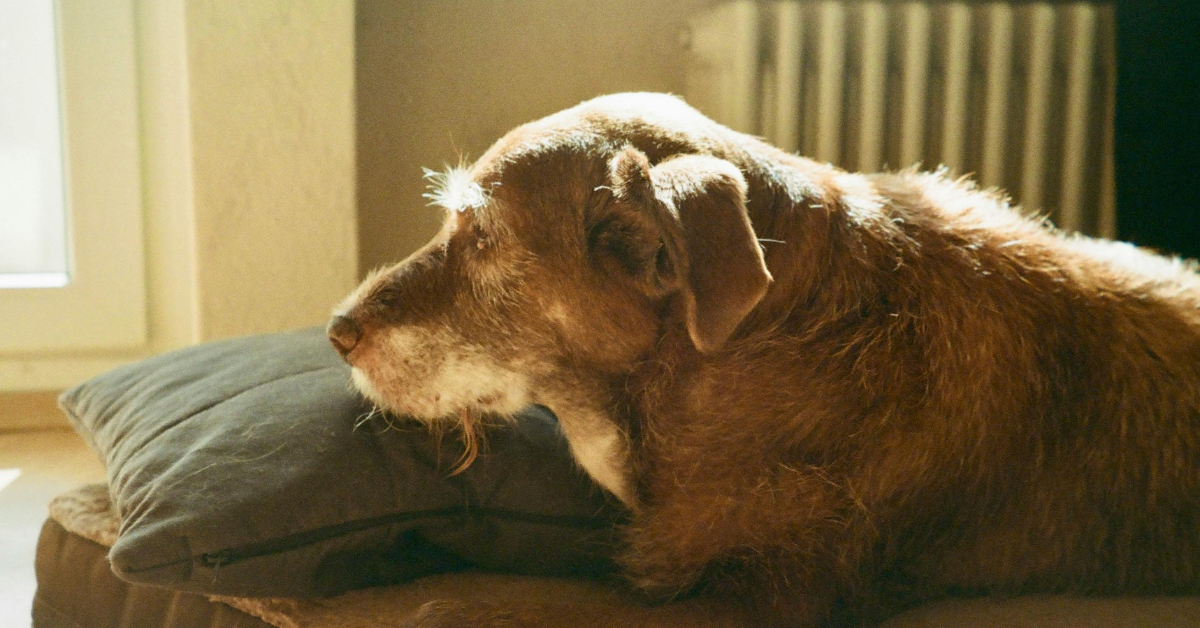
Rest should help, but with joint discomfort, it can sometimes have the opposite effect. Dogs may lie down more yet seem stiff or slow when getting back up. That contrast, rest without full recovery, is easy to miss at first but becomes more noticeable over time.
Creating a more supportive resting setup can shift that pattern. Softer, well-cushioned bedding placed in warm, draft-free areas helps reduce pressure on joints. Even slight changes in where and how your dog rests can influence how they feel afterwards. The takeaway is that the quality of rest matters just as much as rest itself.
4. Reducing Strain During Everyday Movements
You might notice small pauses before actions that used to be automatic, jumping into the car, climbing stairs, or even stepping onto a raised surface. The hesitation isn’t always about ability; it’s about discomfort or uncertainty.
Adding simple aids, like ramps or low steps, reduces the need for strain-heavy movements. These adjustments don’t dramatically change your dog’s routine, but they remove friction from it. Over time, that reduction in strain can help maintain confidence in movement. The takeaway is that reducing effort in key moments supports long-term mobility.
5. Understanding How Weather Affects Joint Comfort
Colder days or damp conditions can subtly change how your dog moves. You might see more stiffness in the morning or less enthusiasm for activity when the temperature drops. These shifts can feel inconsistent, but they tend to follow a pattern tied to joint sensitivity.
Keeping your dog warm, through indoor temperature control or simple protective layers, can ease some of that discomfort. Even adjusting activity timing to warmer parts of the day can help. The takeaway is that external conditions play a bigger role than they first appear.
6. Building Consistent Habits That Support Mobility
Sometimes the biggest changes come from the smallest adjustments. Regular, gentle stretching, light massage, or even consistent feeding schedules that support joint health can gradually shift how your dog feels day to day.
These actions don’t deliver instant results, but they build over time. The key is consistency over intensity, creating a routine that fosters comfort without overwhelming your dog. The takeaway is that steady habits tend to outperform occasional efforts in long-term care.
Conclusion
Managing arthritis at home isn’t about fixing everything at once. It’s about noticing the patterns, for instance, how your dog moves, rests, and responds to small changes, and adjusting around those signals in a way that feels sustainable.
When those adjustments start to align with your dog’s daily routine, the difference becomes easier to see. Movement feels a little smoother, rest feels more effective, and overall comfort improves without needing dramatic changes. Over time, that steady attention tends to support a better quality of life in a way that feels both practical and manageable.
*This is a collaborative post. For further information please refer to my disclosure page.
Related Posts:
Why Garden Office Pods Transform UK Home Working in 2026

In 2026, there is a major shift in the UK home working environment. Garden office pods are changing the way Read more
How to Let an Old Car Go: A Guide for Eco-Friendly Families in Texas

Keeping an old car may seem like a cost-effective decision, but when you count the frequent repairs and the growing Read more
Spring Cleaning Your London Home: Tips for Those with Allergies

Spring is here, and it’s time to start deep cleaning your home! If you suffer from allergies, it’s especially important Read more
6 Ways You Can Reduce Your Food Waste

Food waste is a huge problem not only here in the UK but across the globe. It is estimated that Read more