Why Rural Living is Naturally Sustainable
*Collaborative Post
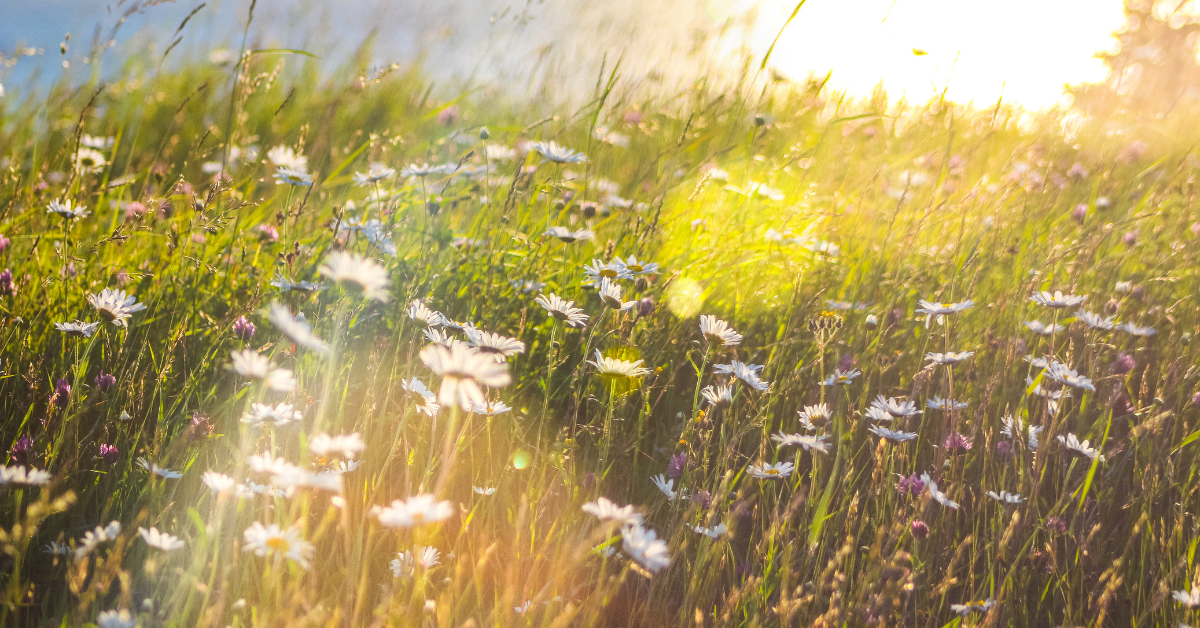
There’s something about rural living that makes sustainability feel less like a buzzword and more like a way of life. In the countryside, it seems just to come naturally. It’s in your everyday. Without the distractions of busy city life, you feel the shift in the air as spring arrives. You see the leaves turn and fall. You notice the starry skies that aren’t washed out by city lights.
All these things can be incredibly grounding, making it harder to waste or consume excessively. In this post, I’m sharing why rural life lends itself beautifully to eco-living, often without us even realising.
Home-grown & local produce
Picture this: you wake up in your countryside home. It’s Saturday morning, and you are getting ready to head to your local farmer’s market. You pick up a selection of local, seasonal produce to fill your fridge, supporting small-scale farmers and eating with the seasons, which reduces your environmental impact.
Perhaps you have the space to grow your own food on a vegetable patch, or even keep chickens to enjoy your own eggs. Living off your land is the ultimate way to reduce food miles, packaging and waste. Getting started is pretty simple too – you don’t need to be a gardening expert! You just need some space, time and dedication. You’ll be harvesting your own carrots and cucumbers in no time. Head to your local country supplies store and get planting!
More energy efficiency opportunities
Rural homes aren’t always known for their insulation. They are generally older and therefore not quite as well-insulated as modern homes. However, they do tend to offer more opportunities to live in a more energy-efficient way.
Solar panels, for example, can be installed more easily without shading from neighbouring buildings, and with ample roof space. Wood-burning stoves are also a classic feature of countryside living, and there are many energy-efficient models on the market today. They provide a renewable way to stay warm. Rainwater harvesting is also far more feasible when you have access to land and outbuildings. Captured rainwater can be used for gardening, flushing toilets, or even washing clothes.
Fewer emissions
It’s no secret that the roads are quieter out in the countryside. Less traffic, less congestion and, in turn, fewer emissions. Of course, we still need to drive in the countryside – hardly anything is a short walk away! But we’re certainly taking fewer short trips that all add up.
With cleaner, fresher-feeling air and reduced pollution levels, time outside is valued all the more. So if the pub, shop or local post office is just a walk away, best believe we’re getting our boots on and walking rather than grabbing the car keys. When the scenery is beautiful, it’s too good to pass up!
When raising a family in the countryside, we pass these values down to them: slow living, strong community ties, an appreciation for nature and simple joys. They all remind us that sustainability doesn’t have to be complicated. It’s just about going back to basics.
*This is a collaborative post. For further information please refer to my disclosure page.
Related Posts:
7 Ways To Attract Wildlife To Your Garden

*Affiliate Links Having more wildlife in your garden isn't just nice to see but is also great for the environment Read more
4 Home Renovations That Boost Energy Efficiency and Sustainability

Climate change devastates the world, and energy efficiency and sustainability are vital tools for preventing and reversing it. Millions of Read more
Affordable Ways To Get You Started With Cloth Nappies

Starting out with cloth nappies can seem daunting for quite a few reasons and one that comes up most often Read more
My Honest Experience of Using the Hello Period Reusable Menstrual Disc

I made the switch to reusable menstrual period products around 8 years ago after learning that most disposable options contain Read more