
Bin Collections Changed? Here’s How You Can Reduce Your Household Waste
*Affiliate Links
When it comes to waste management, Basingstoke is WAY behind on the progress that other councils have made across the UK. We have long been used to weekly bin collections that the idea of introducing food waste bins last year and reducing normal waste collections to bi-weekly last month (October) has been quite the shock to many of the residents here. Now, as somebody who has been actively reducing her waste for the last ten years, this change didn’t have an effect on my household whatsoever, but I do understand that for those who aren’t clued up on reusables, low waste products, recycling options, etc things may be a bit trickier. This is why I wanted to write this post. For the people who know that change needs to happen but don’t know how to apply that. Here are my household waste reducing tips:
Reusables
Choosing to reuse is one of the best ways to reduce your waste and to also save you money in the long term. There are SO MANY reusable options available to us right now that we can easily pick and choose what will work for us and which will become home staples.
You can start small with a reusable water bottle and coffee cup, maybe move onto beeswax wraps or Stasher bags to replace your cling film and switch to reusable kitchen roll/reusable cloths for cleaning purposes. Don’t make changes all at once, it may feel a bit too overwhelming. Just switch to what you can gradually.
One of my all time favourite reusables were my cloth nappies which may not be for everyone but unless you give them a try, you really won’t know (this comes from somebody whose husband was adamant they were not being used but who loved them once we bought them and figured them out). If you have just had a baby, you could also choose reusable baby wipes to replace single-use ones and opt for reusable breast pads. Another of my faves are my reusable period products – pads, menstrual cup/disc and period pants – all of which lead to a more comfortable period, are far more convenient (never run out) and stop that monthly waste from filling up your bin. I could talk about reusables all day long; it’s such a passion of mine, but I’ve got much more to cover, so if you want to learn what else comes in reusable form, I have a blog listing 55, yes that is 55, reusables here.
You May Also Like:
- Affordable Ways To Get You Started With Cloth Nappies
- Cloth Nappies for Beginners: A Comprehensive Guide
- Everything You Need To Know About Using Reusable Wipes
- Review | WUKA Period Pants
- All You Need To Know About Using A Menstrual Cup
- Review | Eco Cleaning with E-Cloth
- Stasher Bag Review
- Are Beeswax Wraps Really Worth It?
Plus many more across my website
Turn Single-Use Items into Reusables
We may be told that some items are single-use but if we can wash them up and reuse them or repurpose them we can prevent extra waste going into our bins. Things that come to mind are freezer bags, foil, plastic straws, glass jars or pots, plastic bottles and takeaway tubs but you may well be able to think of more. There is no reason to always put these things into the bin after one use, we have just been sold that this is the answer… Because the companies want you to keep spending your money! Be a rebel. Save money and save waste, just reuse.
Switch to Low Waste or Zero Waste Products
Just like with reusables, we are so lucky to have many amazing eco-friendly products available to us and a lot are now in normal high street stores and supermarkets now too.
Items such as:
Soap Bars – most come in cardboard packaging that can be recycled, but if you go to a zero waste store or Lush, you can purchase bars with no packaging.
Shampoo and Conditioner Bars – some well-known brands have made these, plus we have eco brands and Lush. There are lots of options.
Refillable Shampoo – zero waste shops and The Body Shop offer this service.
Bath Bombs – just like with soap, you usually find these with little or no packaging (again, Lush springs to mind).
Refillable Deodorant – the well-known brands such as Fussy and Wild are now in many stores.
Deodorant in glass jars – I personally don’t get on with the above, but I do love The Natural Deodorant Co. deos in glass jars. They work, are gentle on my skin and the glass can be recycled. You can get 20% off your order with my code EMMAREED20 on their website here. Don’t be put off by price; a little goes a really long way!
Refillable Toothpaste – Yep, it’s really a thing now! It contains fluoride, comes in a nice minty taste, the dispensers come in lovely colours, the tubes are home compostable, and if you subscribe, you save money. You can read my review of Mighty Mouthcare Toothpaste here and I can give you 20% off a starter pack by following this link.
Eco-friendly Dishwasher Tablets – These will not only be kinder to our waterways but they will also come in cardboard boxes which are easily recyclable.
Bulk Buy Cleaning Products – By choosing more eco-friendly cleaning products such as white vinegar and bicarbonate of soda you will find a little goes a long way and because they are often sold in bulk (either online or in zero waste shops) you will save on waste and money.
There’s many more, but I would end up going on and on. The best thing to do is look at what you use a lot of and check to see if there is a lower waste alternative to switch to.
When shopping in the supermarket, also be mindful of packaging and opt for the products that come in glass, cardboard, aluminium cans, or tin as all of these can be recycled from home which is an easier option for many people. And don’t forget to pick up the loose fruit and veg to save on plastic waste.
Recycling Options
This will vary from county to county and I am sure even in a couple of years the situation will change here but for now, if you are in Basingstoke or under Hampshire County Council, here are the main recycling choices we have:
Kerbside: cardboard, tins, aluminium cans, cardboard and spray cans (deodorant) can all go into the green bin. Glass goes into a seperate glass tub. This does not include broken pieces of glass or crockery, just glass bottles and jars etc.
Soft Plastics: Most supermarkets take soft plastics now and this is any plastic that feels quite soft to touch such as carrier bags, pet food pouches, crisp packets and similiar, film lids, cling film, toilet roll packaging, bread bags, fruit and veg bags and so on. Check the full list at your chosen supermarket before dropping off. All should be clean and dry.
Hard Plastics: We now have 6 bins for these types of plastics at recycling points across the town and they will take:
- plastic pots including yoghurt pots, cosmetic and make-up containers and plants pots
- plastic tubs used for ice cream, butter, margarine and other spreads
- plastic trays including fruit and vegetable punnets or trays from meat, fish or microwaveable meals
- food and drink cartons including Tetra Pak
- plastic tubes used for toothpaste, cosmetics, make-up or hair conditioners
If you are local to me (Basingstoke) the 6 places are: Brighton Hill Parade, Brighton Hill Centre. Castons Car Park, New Road. Overton Hill Car Park, Overton. Popley Fields Community Centre, Carpenters Down. The Fieldgate Centre, Kingsclere. Winklebury Centre, Winklebury.
This is a temporary measure until kerbside is available to us in 2028. For more info see the councils page on recycling here. If you aren’t local but all of this sounds similar to what is happening in your area, check with your local authority for more information.
Tip – use a tub or bag to store these until you have enough. You could also offer to take your neighbours plastic especially if they are elderly, disabled or can’t drive.
You can also recycle foil, glass, small electricals and clothing at most of these recycling points.
Tip – ball your foil up to the size of your fist to ensure it is recycled and to help save space at home.
Batteries: These can be recycled at supermarkets
Water Filters: Supermarkets
**If you want to go a little further with your recycling I have a detailed blog of other places who take items here.
Food Waste
Our food waste caddies were introduced last October and people were certainly divided over this concept. However, a year on and it seems that most households have adapted well to it and I’ve spoken to lots of people who now praise this service. Food waste is a huge problem, with approximately 10.2 million tonnes being thrown out in the UK each year!! How shocking is that?! All that extra waste going into your normal bins was not only filling them up but if it goes to landfill, it sits there rotting and emitting methane gas which in turn warms our atmosphere – food waste is contributing to climate change. If your area doesn’t send waste to landfill, it will be incinerated which again, releases gases and pollution. Having a food waste collection ensures that our scraps go to on to have a positive result. The food is broken down in an anaerobic digester, as it does this, it produces a biogas that is used to heat homes or generate electricity and leftover solid matter is processed into a nutrient rich bio-fertiliser.
What can go into this bin:
- Fruit and vegetable peelings, pips, and stones
- Meat, fish, and bones
- Plate scrapings and uneaten food
- Eggshells and dairy products
- Bread, cakes, pastries, rice, and pasta
- Teabags and coffee grounds
You May Also Like:
Try Composting
Composting may sound daunting to those of you who have never tried it and I was one of those people not too long ago. However, I have now successfully been composting for around 8 years and I love it! Even if you have a small garden, composting is possible and you will always find use for it. I have a blog article on getting started with composting which is packed full of everything you need to know. It’s just all about adding the right things, getting a good mix and turning it every now and then really. It’s helpful if you are filling up your food waste bin each week and need an alternative place for your veg/fruit scraps.
Be Waste Aware
Once you start to focus on what goes into your bin each day, you start to realise what areas are a problem. Maybe someone in your household is being a little more wasteful than others? Maybe your coffee habit needs to involve a reusable cup or two? Perhaps there are things sliding into the bin that could in fact be recycled? By carrying out a home waste audit, you will become very aware of what is being binned and from there you can make the necessary changes.
There are lots more tips and ideas on my website under the eco category, or you can use the search bar to look up something specific such as cloth nappies. You can also purchase my 36 page downloadable booklet from Etsy called Your Simple Eco Home Audit Checklists and Tips that includes an audit sheet, checklists for all the rooms in the house, eco cleaning recipes and relevant blog excerpts.
I hope this article has helped or will help in the future and that your normal waste bin feels a little bit lighter soon.

Related Posts:
How To Use Reusable Baby Wipes Out and About

Making any switch from something which you may have always deemed as convenient to something completely new may seem very Read more
Review | Ecozone Products from SaveMoneyCutCarbon
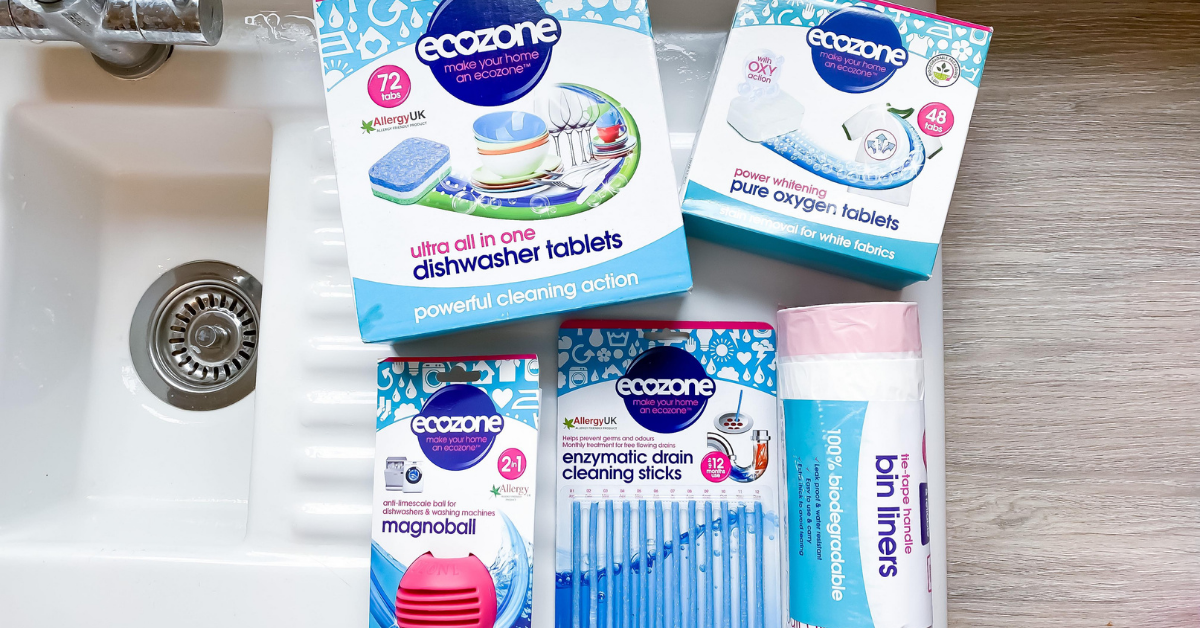
*Ad I have been working with the wonderful SaveMoneyCutCarbon all year and each month I get the opportunity to talk Read more
What Seeds Should I Be Sowing in March?

Spring is trying its best to reach us and in a few weeks, we are sure the weather will begin Read more
How To Clean Your Washing Machine Naturally
It may surprise you that a washing machine needs to be cleaned and it may surprise you even more that Read more